227 grills · 52 brands · updated September 2026
227 grills and smokers: specs, prices and owner reports
Spec sheets, typical prices and owner pros and cons for pellet, gas, charcoal, kamado, offset and griddle models, with head-to-head matchups.
The full lineup
Every grill and smoker we track, filterable by brand, fuel type, features, and price. Check up to three and open them in a single comparison table, or see all 227 in one list.
227 grills foundpage 1 of 10

Big Green Egg
Big Green Egg Large
The Big Green Egg Large is the most popular size of the iconic ceramic kamado cooker, capable of grilling, smoking, roasting, and baking. Big Green Egg is the brand that brought kamado cooking to the American mainstream.
Big Green Egg
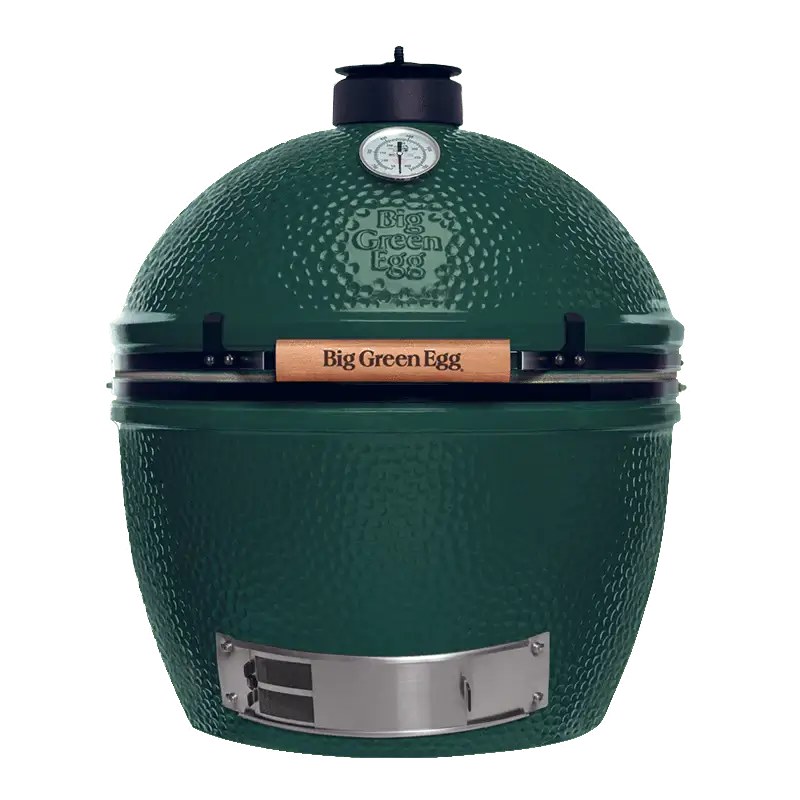
Big Green Egg XLarge
The Big Green Egg XLarge is the crowd-size version of the iconic ceramic kamado, with a 24-inch grate that swallows two packer briskets or four whole chickens side by side. Same thick ceramic and lifetime warranty as the Large - nearly double the cooking area.
Big Green Egg
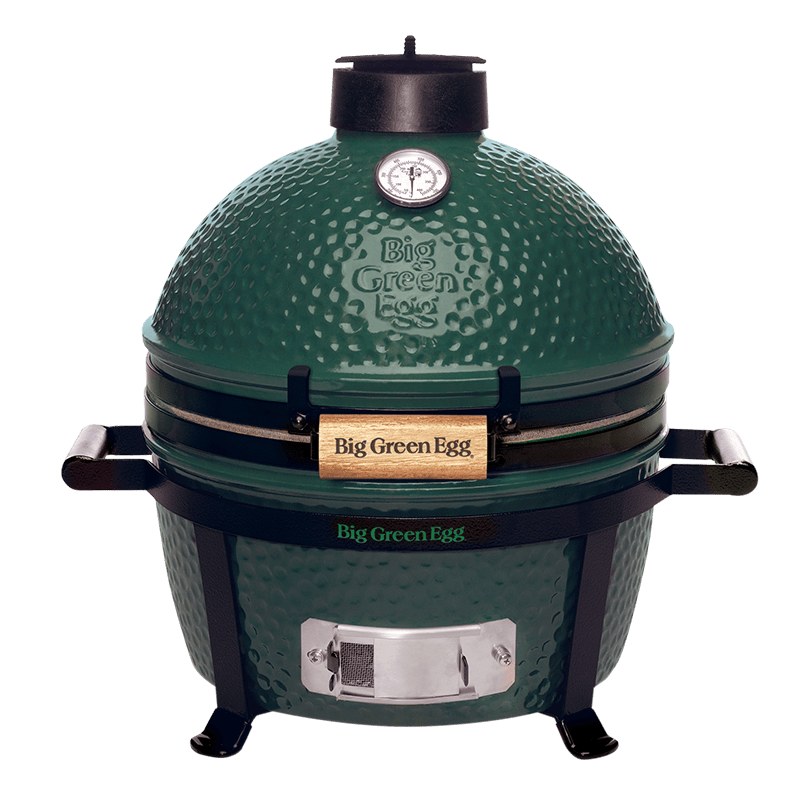
Big Green Egg MiniMax
The Big Green Egg MiniMax packs the full ceramic kamado experience into a 19.5-inch-tall tabletop cooker that ships with its own carrier. It's the Egg for balconies, tailgates, and campsites - same 750°F ceiling, a quarter of the footprint.

Kamado Joe
Kamado Joe Classic III
The Kamado Joe Classic III is an 18-inch ceramic kamado loaded with innovations like the 3-tier Divide and Conquer system, SloRoller smoke chamber, and a single-finger Air Lift hinge. It's the feature-rich rival to the Big Green Egg.

Kamado Joe
Kamado Joe Joe Jr.
The Kamado Joe Joe Jr. is a compact 13.5-inch portable ceramic kamado that brings full kamado versatility to small spaces, balconies, tailgates, and camping. It's the most portable cooker in the Kamado Joe line.
Pit Barrel Cooker Co.
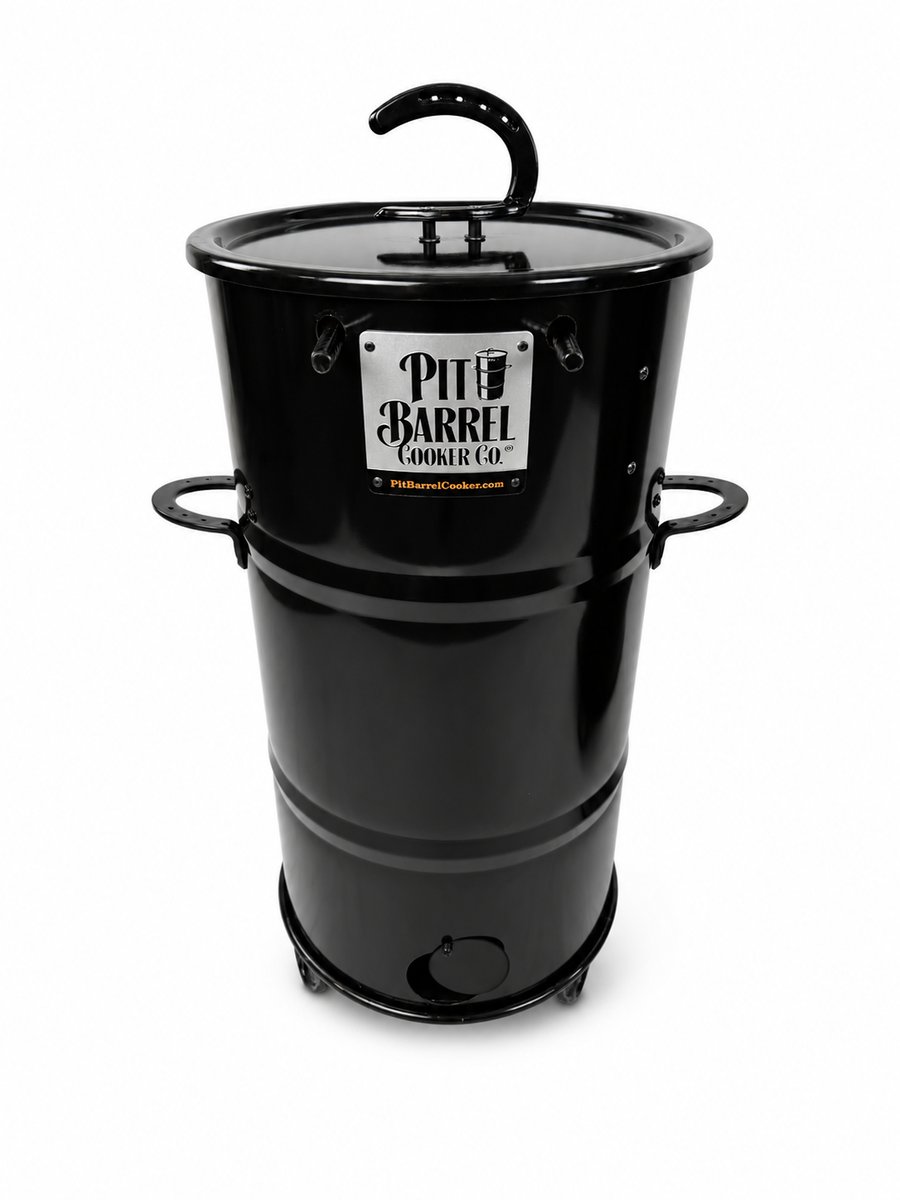
Pit Barrel Cooker Junior Premier 14
The 14-inch sibling of the Classic already in the catalog, rebuilt in 2026 as the Premier series. It is the same sealed drum design — charcoal basket in the base, meat hung from rods on hooks rather than laid on a grate — shrunk to a 14-inch barrel that Pit Barrel rates at four to eight people or up to six racks of ribs hung vertically. The Premier revision adds an elevated lid handle, a detachable single-tier heat shield so it can sit on a deck, and an attachable ash pan; it ships with the hook tool as standard, which used to be an upsell.
Hunsaker Smokers
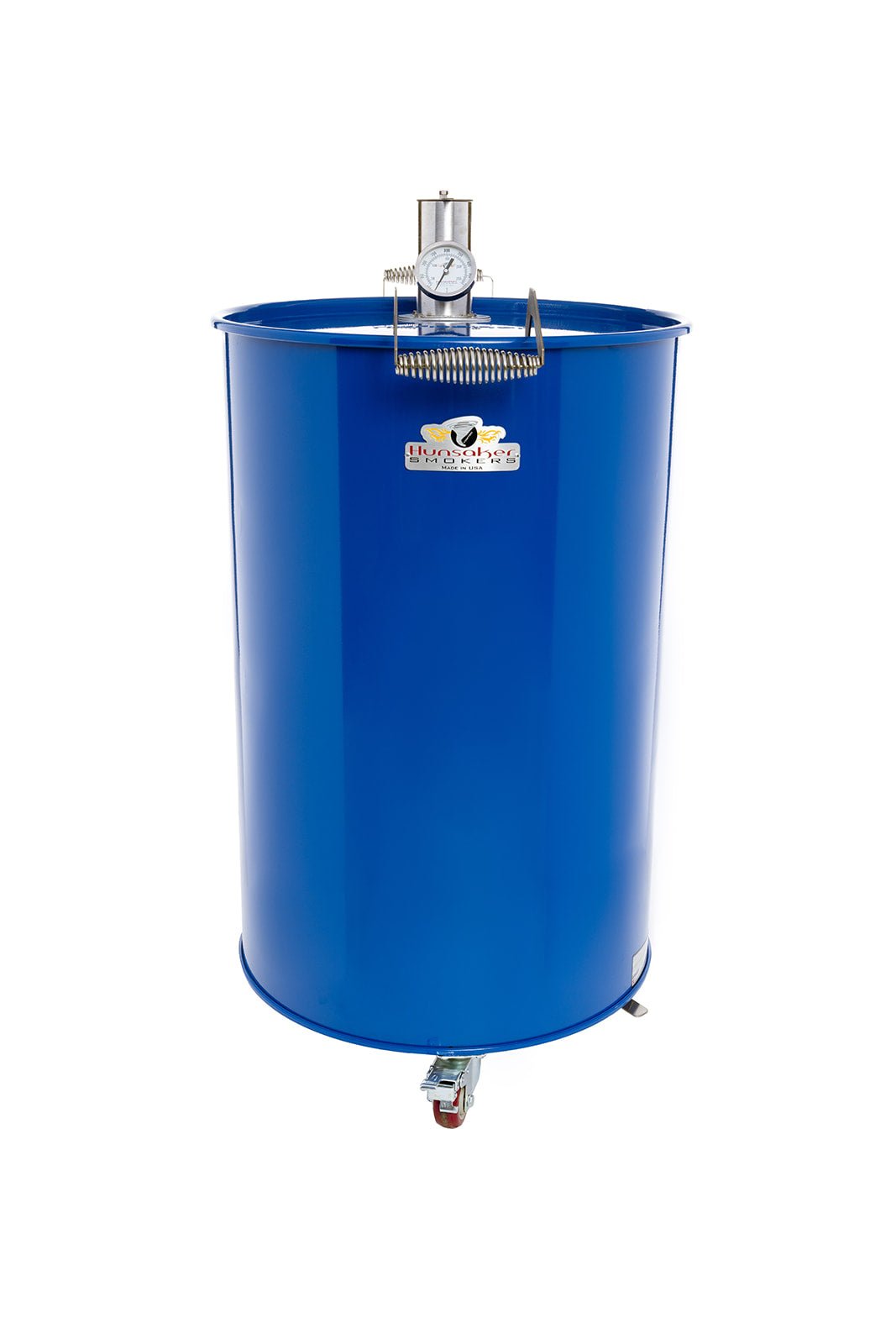
Hunsaker Vortex 55 Gallon Drum Smoker
Built in Columbia, Missouri, and the drum that Meathead's AmazingRibs put on the map. Its distinguishing part is the patented Vortex charcoal basket, which spins the intake air around the fire instead of straight up through it, and a single lever-operated intake with a printed scale so you can return to a known setting rather than guessing at a ball valve. The grate rides on a five-position pin lock and stays level while you move it, and all the grates and external hardware are 304 stainless rather than chrome-plated mild steel.
Pit Barrel Cooker
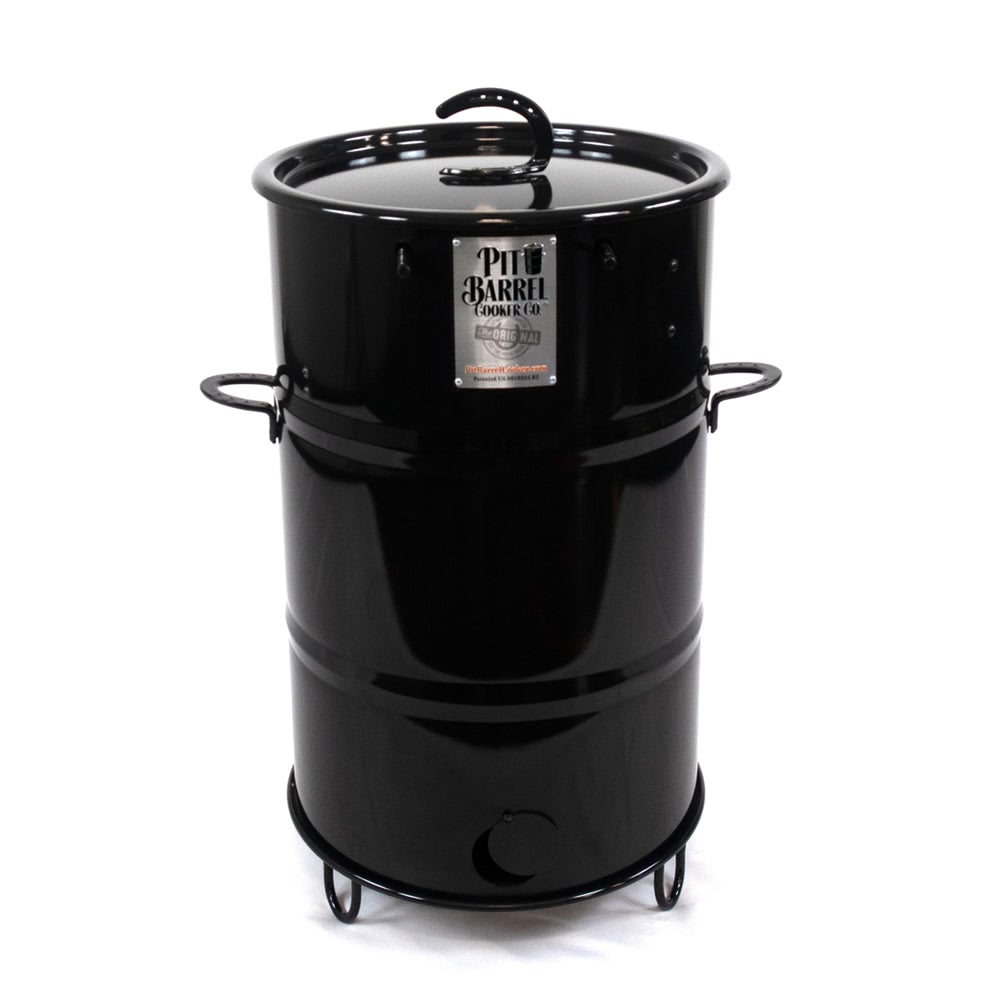
Pit Barrel Cooker Classic
The Pit Barrel Cooker Classic is an 18.5-inch porcelain-coated drum smoker that hangs meat vertically over the coals on hooks. It's beloved in owner discussions for being nearly foolproof - light it, hang the meat, and walk away.
Pit Barrel Cooker Co.
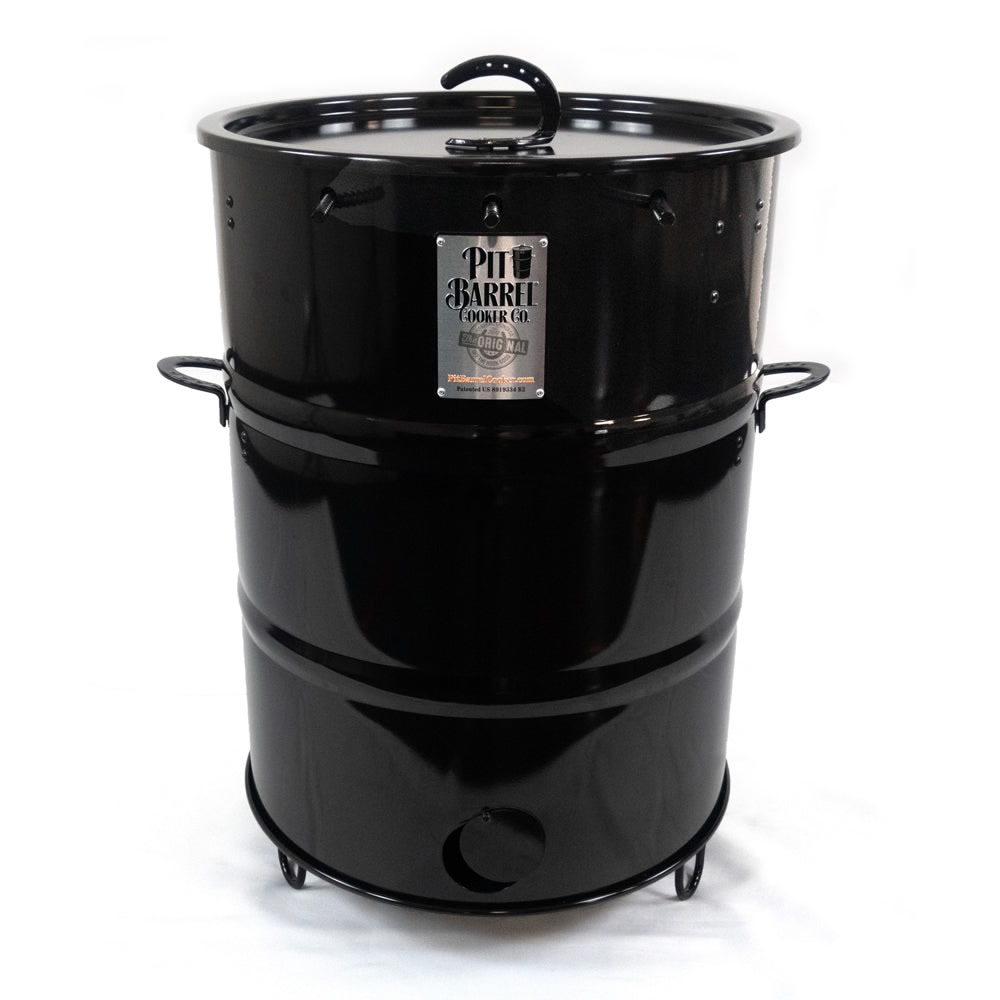
Pit Barrel Cooker PBX 22.5
Pit Barrel's largest drum and the one the catalog is missing at the top end: a 22.5-inch porcelain-coated barrel with three hanging rods and sixteen hooks against the Classic's two rods and eight. Pit Barrel rates it at 16 to 20 racks of ribs, four pork butts, four full packer briskets or four turkeys in a single load, which is catering and competition capacity rather than backyard capacity. The trade-off is the one Pit Barrel prints on the page themselves: with a light load there is less meat absorbing heat, so the barrel runs hotter than the 18.5.
Cookshack
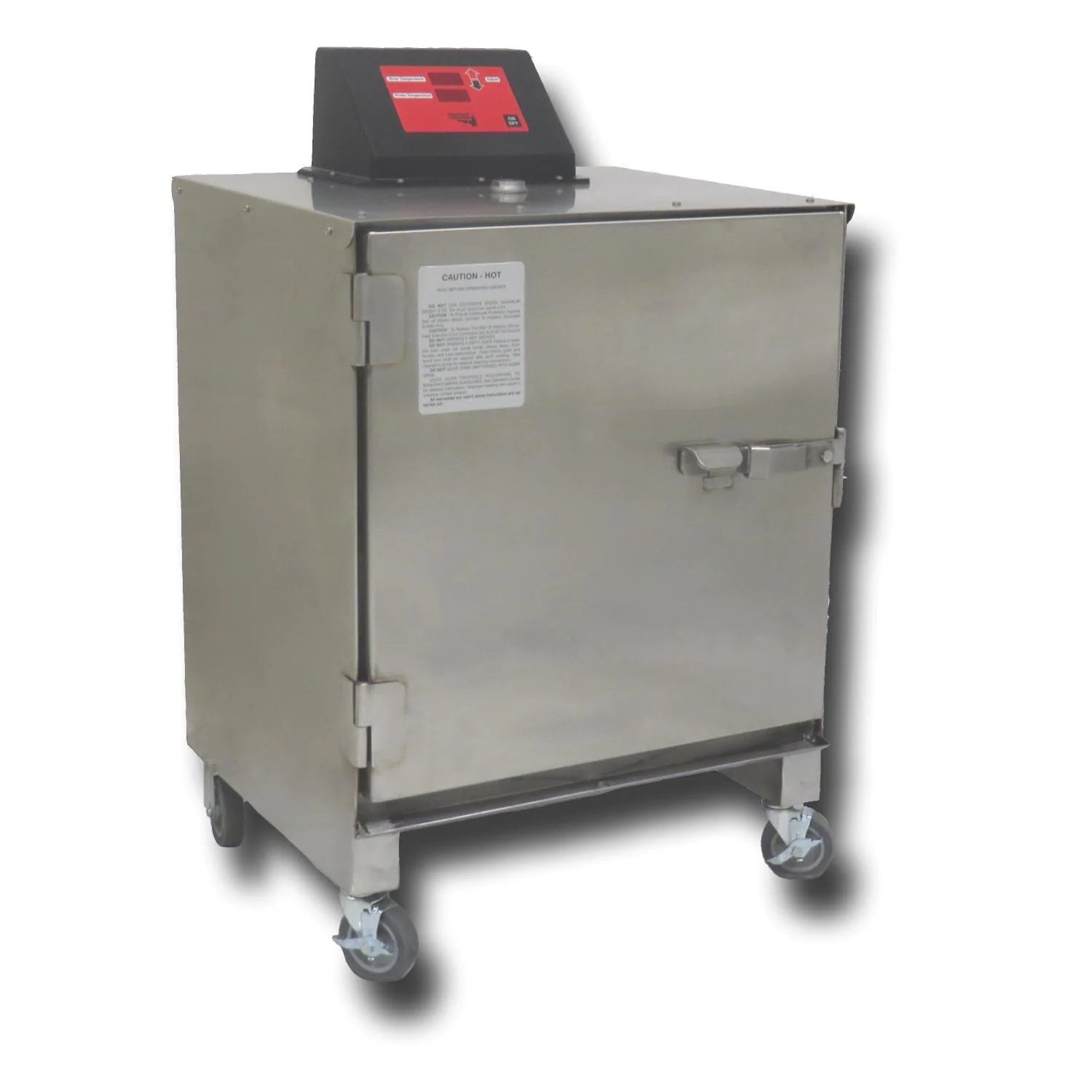
Cookshack Smokette Elite SM025
Cookshack build electric cabinets the way commercial kitchens do, and the Smokette Elite is the smallest one: double-walled stainless around 850°F Spin-Glas insulation, so the outside stays cool and the inside holds a set temperature through weather that shuts down a thin-walled cabinet. Smoke comes from a couple of ounces of real wood chunks in a steel box on the element, not chips or pucks - you load it once for the whole cook. 504 sq in over two 14 x 18 in grills, 20-25 lbs of meat, a digital cook-and-hold controller and a meat probe, on four lockable casters.
Cookshack
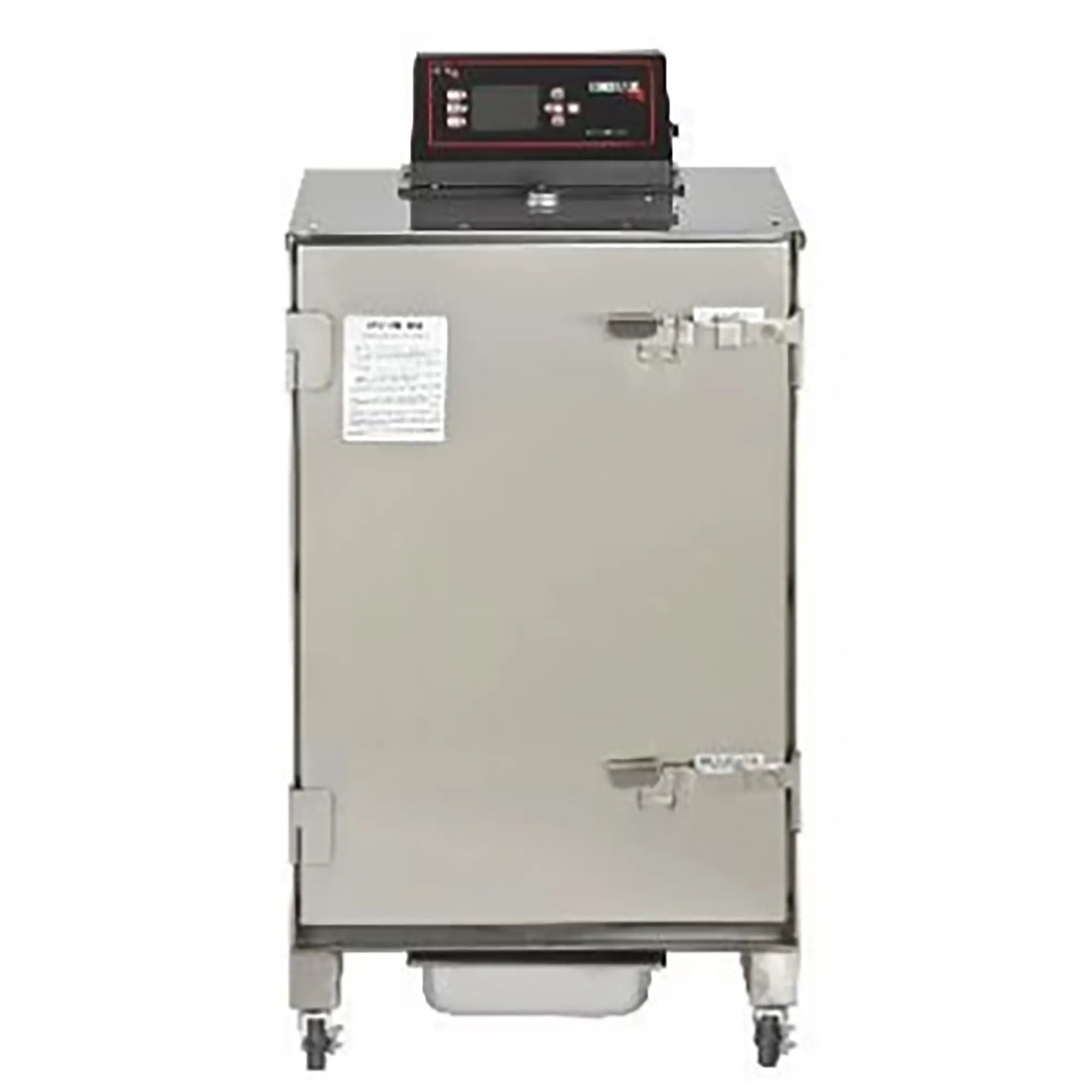
Cookshack AmeriQue SM066
The big Cookshack: same double-walled stainless and 850°F Spin-Glas insulation as the Smokette Elite, scaled to four 14 x 18 in grills, 1,008 sq in and a 50 lb meat capacity, with two-position side racks so you can reconfigure the interior for tall cuts. The digital cook-and-hold controller and meat probe carry over. At $2,375 it is priced against a good offset or a high-end pellet grill, and what it buys instead is an insulated box that will run all night at 225°F in any weather without you touching it.

Monument Grills
Monument Grills Mesa 415BZ
The Monument Grills Mesa 415BZ is a value-oriented 4-burner stainless gas grill with a Broil Zone sear burner, a clear-view lid window, and a side burner. Monument is a fast-growing direct-to-retail brand. Note: this model is no longer sold new as of 2026. Its current equivalent is the Monument Grills Mesa II 415BZ.

Napoleon
Napoleon Rogue XT 525 SIB
The Napoleon Rogue XT 525 SIB is a 4-burner propane gas grill with an infrared Sizzle Zone side burner for searing. Napoleon is a Canadian brand known for stainless construction and wave-pattern grates.
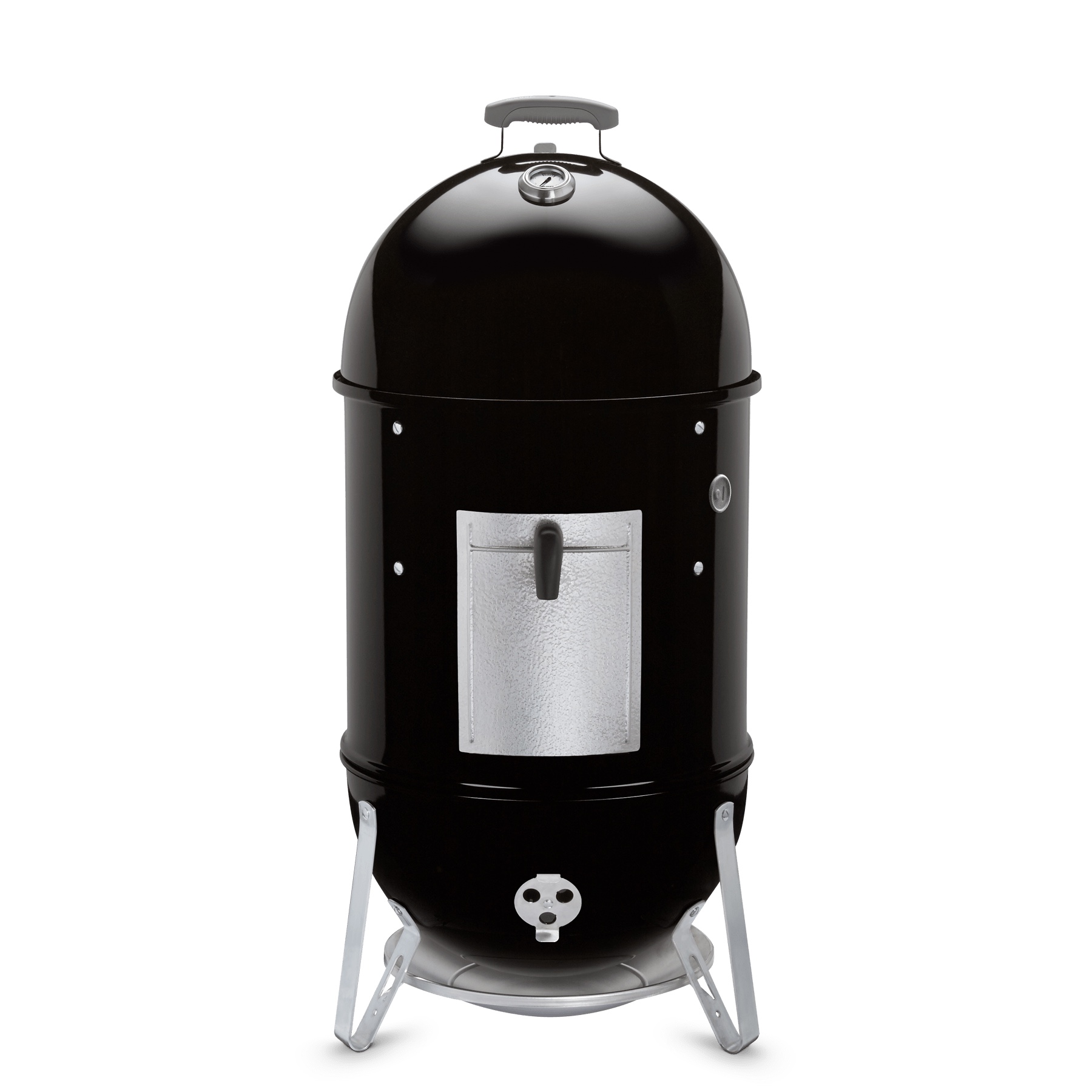
The Weber Smokey Mountain is the legendary bullet-shaped charcoal water smoker that has been the 'first real smoker' recommendation for decades. Two stacked grates and a water pan turn out competition-quality BBQ for under $500.
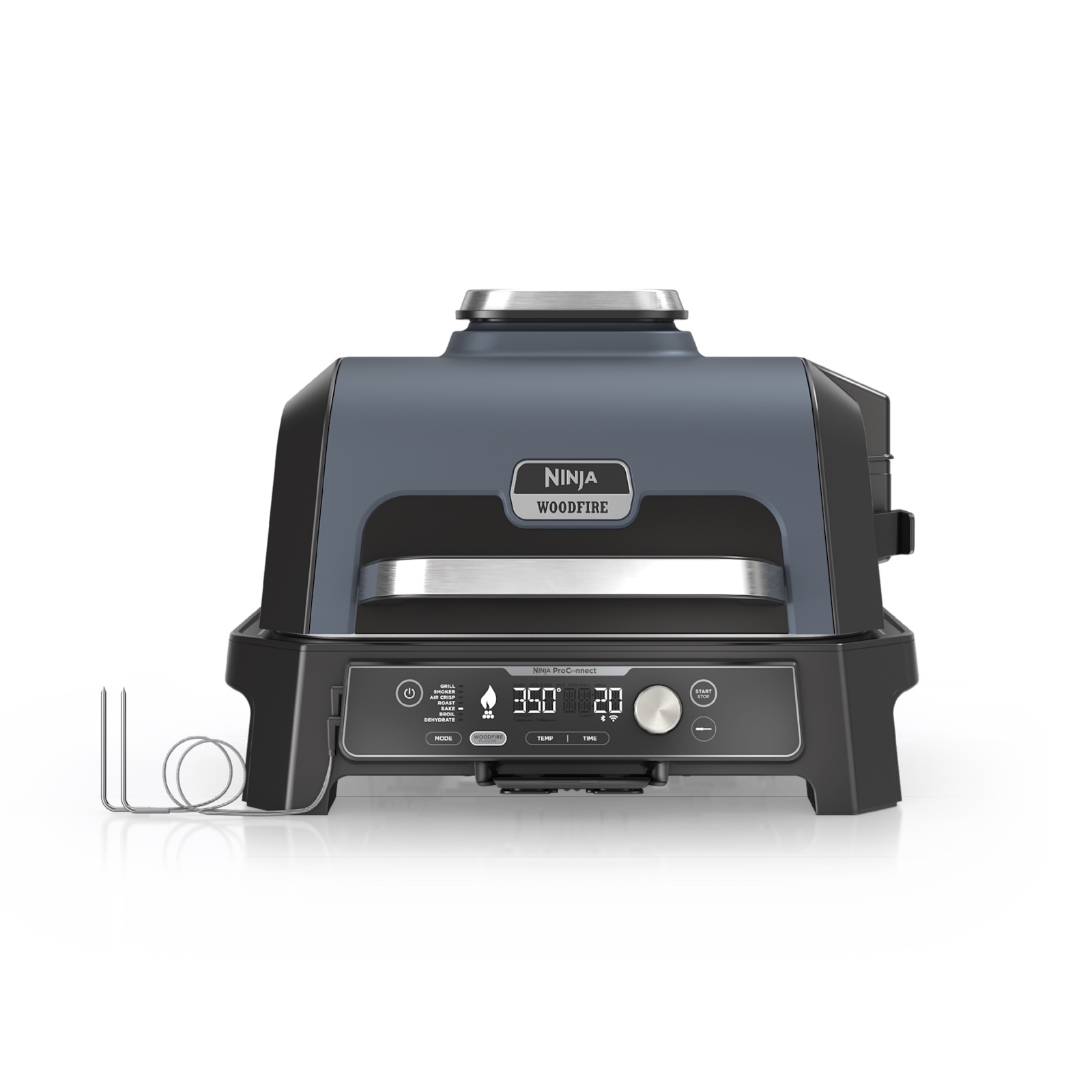
The Ninja Woodfire Pro Connect XL is a 7-in-1 electric outdoor grill, smoker, and air fryer that burns a small box of real wood pellets for flavor while cooking on electric heat. It's owner discussions's go-to answer for balconies and apartments where charcoal and gas are banned.
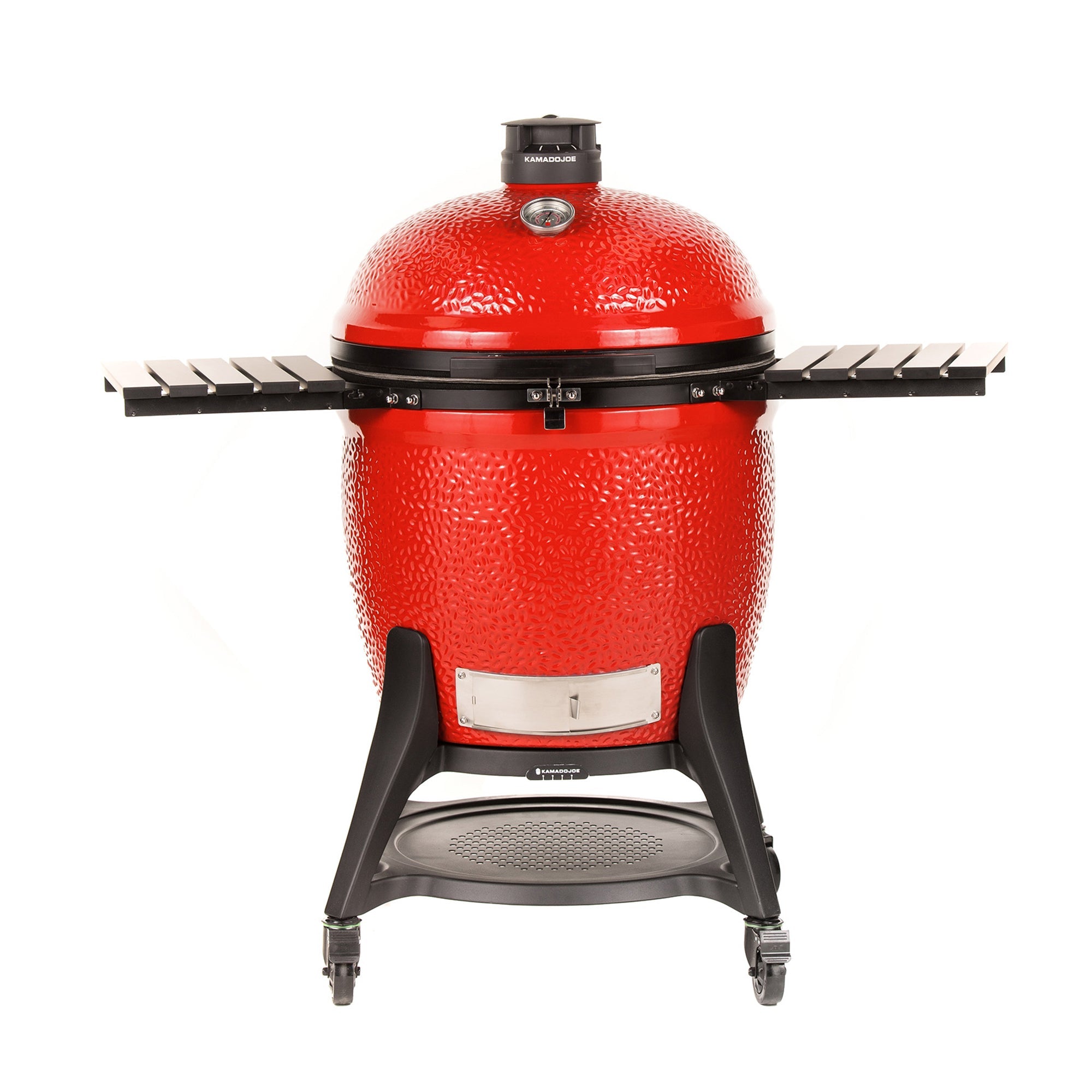
Kamado Joe
Kamado Joe Big Joe III
The Kamado Joe Big Joe III is the 24-inch flagship of Kamado Joe's ceramic lineup - everything the Classic III does, scaled up to brisket-and-a-half capacity, with the 3-tier Divide & Conquer rack system, SloRoller smoke chamber, and a heavy-duty rolling cart included.
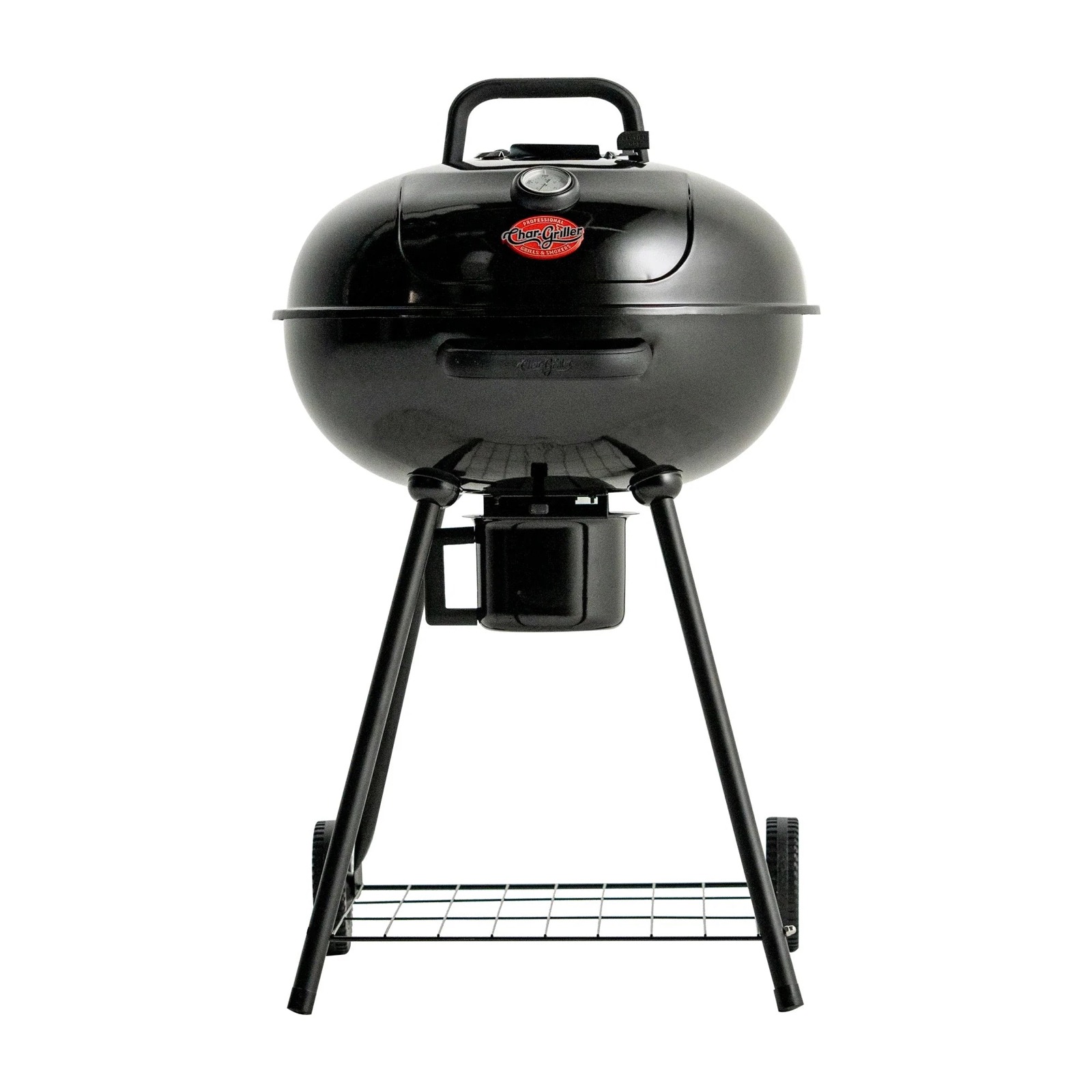
Char-Griller's answer to the Weber kettle: a 22-inch porcelain-coated bowl with adjustable top and bottom vents and a removable EasyDump ash pan, at $150 against Weber's $229 for the Original Kettle Premium. It weighs 23 lbs, about 10 lbs less than the Weber, which is a build-quality difference as much as a portability one.
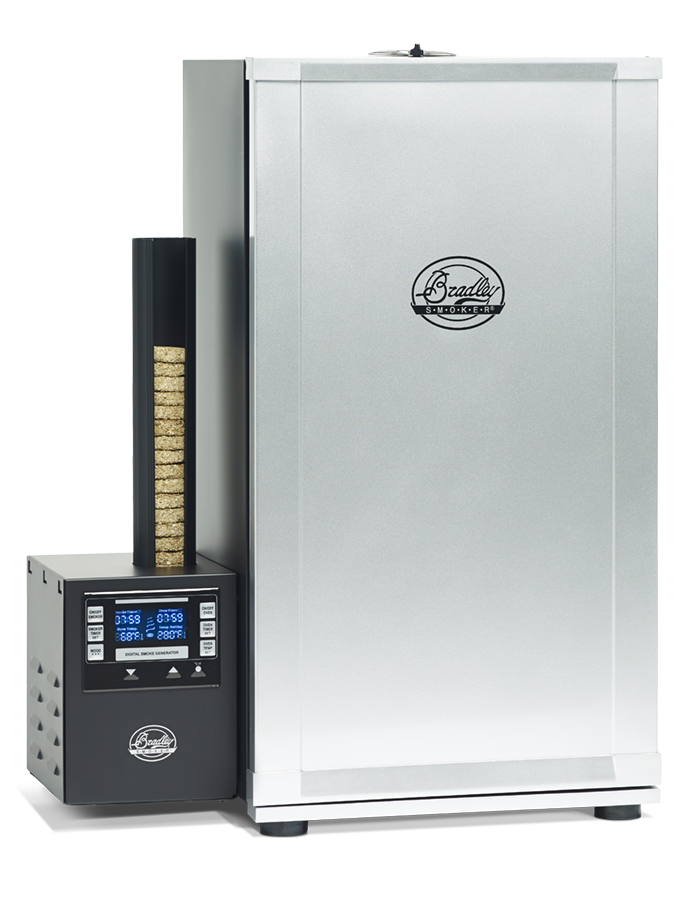
Bradley Smoker
Bradley Digital 4 Rack Electric Smoker
The same cabinet, racks and bisquette feeder as the Original, with a digital controller that sets temperature, cook time and smoke time as three independent numbers and a thermostat that actually holds the set point. That last part is the reason to pay the $160 difference: the Original's dial is a power setting, this one closes the loop. Ceiling rises slightly to 280°F.

The Weber Master-Touch 22 is the upgraded version of Weber's iconic charcoal kettle, adding a hinged Gourmet BBQ System grate, a built-in thermometer, and a Tuck-Away lid holder. It's a benchmark backyard charcoal grill.

Char-Griller
Char-Griller Akorn Kamado
The Char-Griller Akorn is a budget kamado-style grill that uses triple-wall insulated steel instead of ceramic to deliver kamado-like efficiency at a fraction of the price. It's the popular gateway into kamado cooking.

Blackstone
Blackstone 36-Inch Griddle
The Blackstone 36-inch is the best-selling outdoor flat-top griddle in America, a 4-burner propane cooking station with a huge rolled-steel cooktop. It's the go-to for smash burgers, breakfast, hibachi, and big-batch cooking.

Blackstone
Blackstone 28-Inch Griddle
The Blackstone 28-inch is the compact 2-burner version of America's favorite outdoor griddle, offering the same flat-top cooking in a smaller footprint suited to smaller patios and families. It's a top-selling entry griddle.
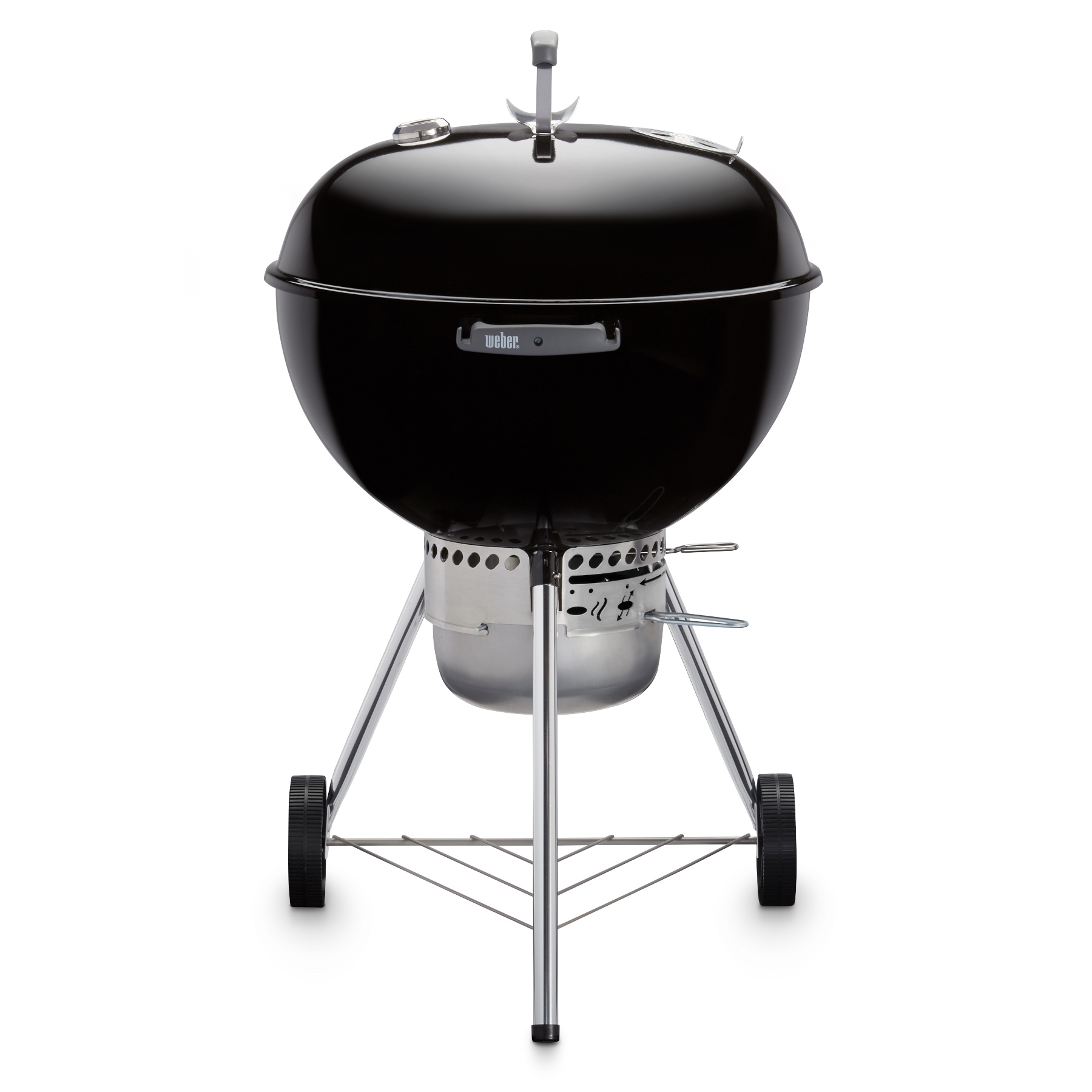
The Weber Original Kettle Premium 22 is the iconic charcoal kettle that started backyard grilling in America, upgraded with a built-in thermometer, hinged grate, and sealed One-Touch ash catcher. It's the single most-recommended first grill in owner discussions.
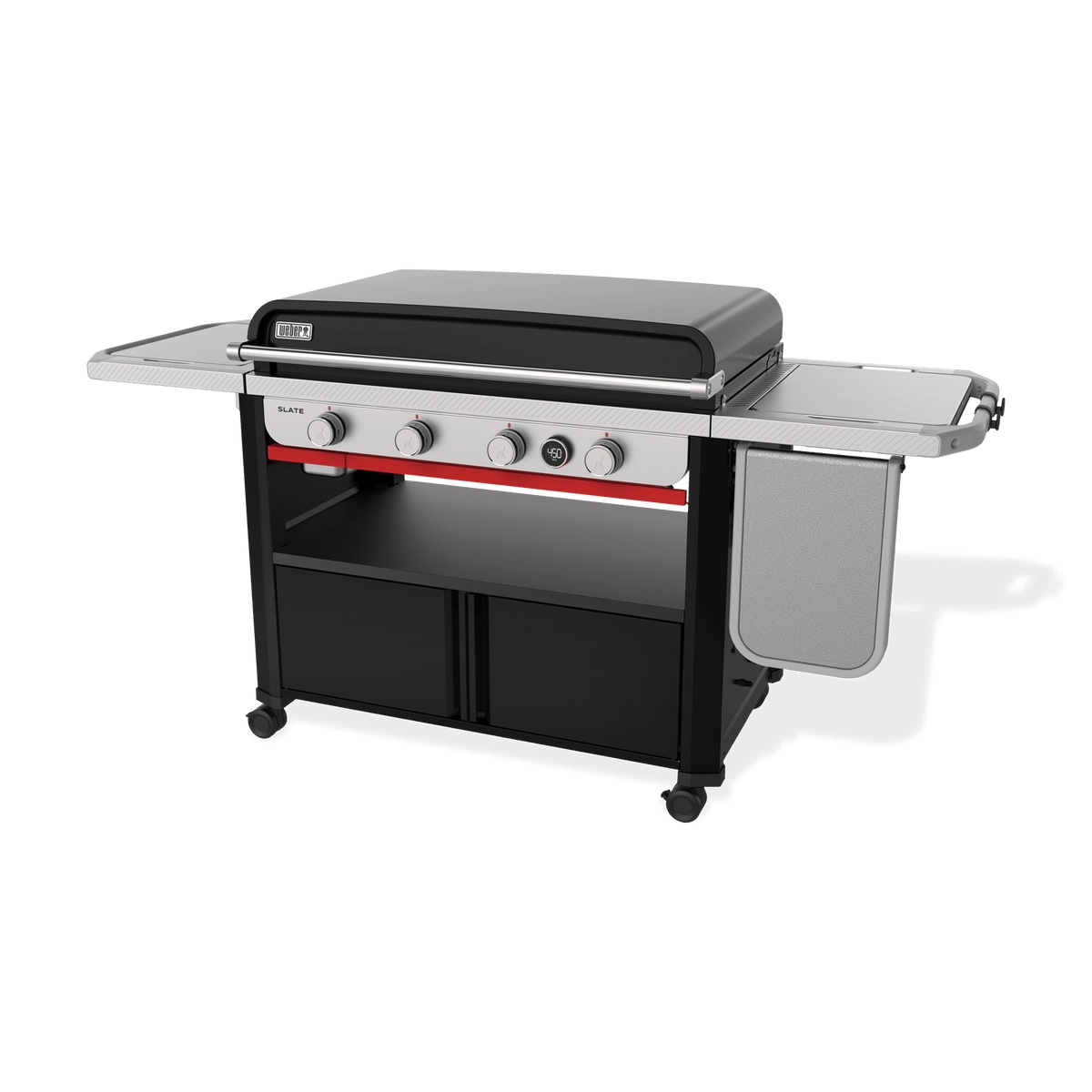
Weber
Weber Slate 36
The Weber Slate 36 is Weber's flagship flat-top griddle, pairing a pre-seasoned rust-resistant carbon steel cooktop with four independent burners, a built-in digital cooktop thermometer, and the storage and side tables that made it an instant Blackstone rival.
Grill questions, answered
The things everyone wonders at the grill aisle and at 2 a.m. mid-brisket — answered straight, no marketing.
Pellet, gas, or charcoal — what should my first real grill be?
Match the fuel to your honest weeknight self. Gas is the convenience king: hot in ten minutes, dinner in thirty, zero ritual — most people's right answer. Pellet buys set-and-forget smoking with an electric hookup and a mild smoke profile. Charcoal is the flavor maximalist's pick and the cheapest buy-in (a kettle is $170), at the cost of a 20-minute chimney ritual every cook. The community's quiet consensus: the grill you'll actually light on a Tuesday beats the theoretically better one gathering dust.
Do pellet grills actually taste smoky?
Milder than the campfire memory you're chasing — that's the eternal thread, and the honest answer is yes-but-subtler. Pellets burn clean and efficient, which is exactly what mutes the smoke compared to a stick burner or charcoal with wood chunks. The levers that genuinely help: cook at 225°F or below for the first hours (smoke adheres to cold meat), use a smoke tube for cheese-and-jerky-level output, and pick stronger pellets (hickory or mesquite over the fruit blends). If maximum smoke is the whole mission, the pellet grill is the wrong tool and an offset or kamado is the honest recommendation.
My grates are rusty — is my grill ruined?
Almost never. Surface rust on cast-iron or steel grates scrubs off with a grill brush and a potato-and-oil rescrub (or a vinegar soak for the dramatic cases), then a coat of oil and a hot burn re-seasons them. What actually totals a grill is structural rust: a burner rotted through, a firebox floor flaking in sheets, a kettle bowl perforated. Grates, burners, and flavorizer bars are all replaceable parts cheaper than a new grill — the frame and box are the grill.
Should I cover my grill, or can it live outside?
Modern grills are built to live outdoors uncovered — and they last visibly longer covered anyway, especially in snow country and near the coast. The counterintuitive catch the forums relitigate weekly: a cover on a damp grill traps moisture and rusts it faster, so cover it dry, and in humid climates prop the cover for airflow. The real killers aren't rain: they're leaving a griddle's cook surface unoiled, and letting the grease tray become a wasp civilization.
How do I keep my Blackstone from getting sticky or flaking?
Sticky means too much oil, too cool — the seasoning never polymerized. Flaking means the layers built up too thick and are letting go. Both have the same fix: cook on it more, oil it less. After each cook: scrape hot, wipe, and apply a LIGHT coat (a few drops spread to a sheen, not a pour). If it's far gone, scrape to metal with a brick screen and re-season in thin layers. The griddle that gets used weekly seasons itself; the one babied with heavy oil coats between monthly cooks turns into the sticky mess that fills every griddle help thread.
What size grill do I need — and what if a line comes in multiple sizes?
Count your regular table, not your fantasy party: 300-400 sq in covers a family of four with room to spare, 400-500 handles regular guests, and bigger than that is for crowds or the two-zone enthusiast. Size regret runs both directions — too small means batch-cooking burgers, too big means lighting a cathedral to grill two chicken breasts. For the lines sold as size ladders (Big Green Egg, Weber's kettles, Blackstone widths), we draw every size to scale so you can see the difference instead of guessing. Every size ladder, drawn to scale →
Why does my pellet grill's temperature swing 25 degrees?
A ±15-25°F swing around the set point is normal pellet-grill behavior — the controller feeds pellets in pulses, and the average is what cooks your food. Swings beyond that usually trace to: a dirty firepot (vacuum the ash), cheap or damp pellets (they matter more than people believe), wind on an uninsulated barrel, or lid-lifting (each peek costs 10+ minutes of recovery). PID-controller models hold visibly tighter than timer-based budget units — it's the single most meaningful spec difference in the pellet class.
Are pellets in the hopper safe to leave between cooks?
Not through humid weeks — pellets are compressed sawdust, and moisture swells them into oatmeal that jams augers and grows the hopper mold the forums photograph every spring. In dry climates, weeks are fine; anywhere humid, empty the hopper into a sealed bucket between cooks (most hoppers have a dump chute for exactly this) and never leave pellets in through rain or winter storage. Swollen pellets in the auger is the #1 'my pellet grill is dead' post, and the fix is a shop-vac and patience.
How do I deal with a grease fire?
Close the lid and the vents, turn off the burners (and the gas at the tank if you can do it safely), and let it starve — most flare-ups die in under a minute sealed. Never water (grease fire 101), never move the grill mid-fire. Prevention is boring and total: empty the grease tray before every few cooks, and give the grill a real degrease each season. Most 'my grill caught fire' stories are twelve cooks of accumulated grease finally finding its moment during a burger press.
Is WiFi on a grill worth it?
On a smoker, genuinely yes: a 10-hour brisket with probe alerts on your phone is what the feature is FOR, and once you've been paged at the stall instead of babysitting a dial, you don't go back. On a gas grill you stand next to for 15 minutes, it's a checkbox. The honest middle path: skip built-in WiFi on the grill and spend $60 on a good wireless probe thermometer, which adds the same superpower to any grill you already own.