Yoder Smokers
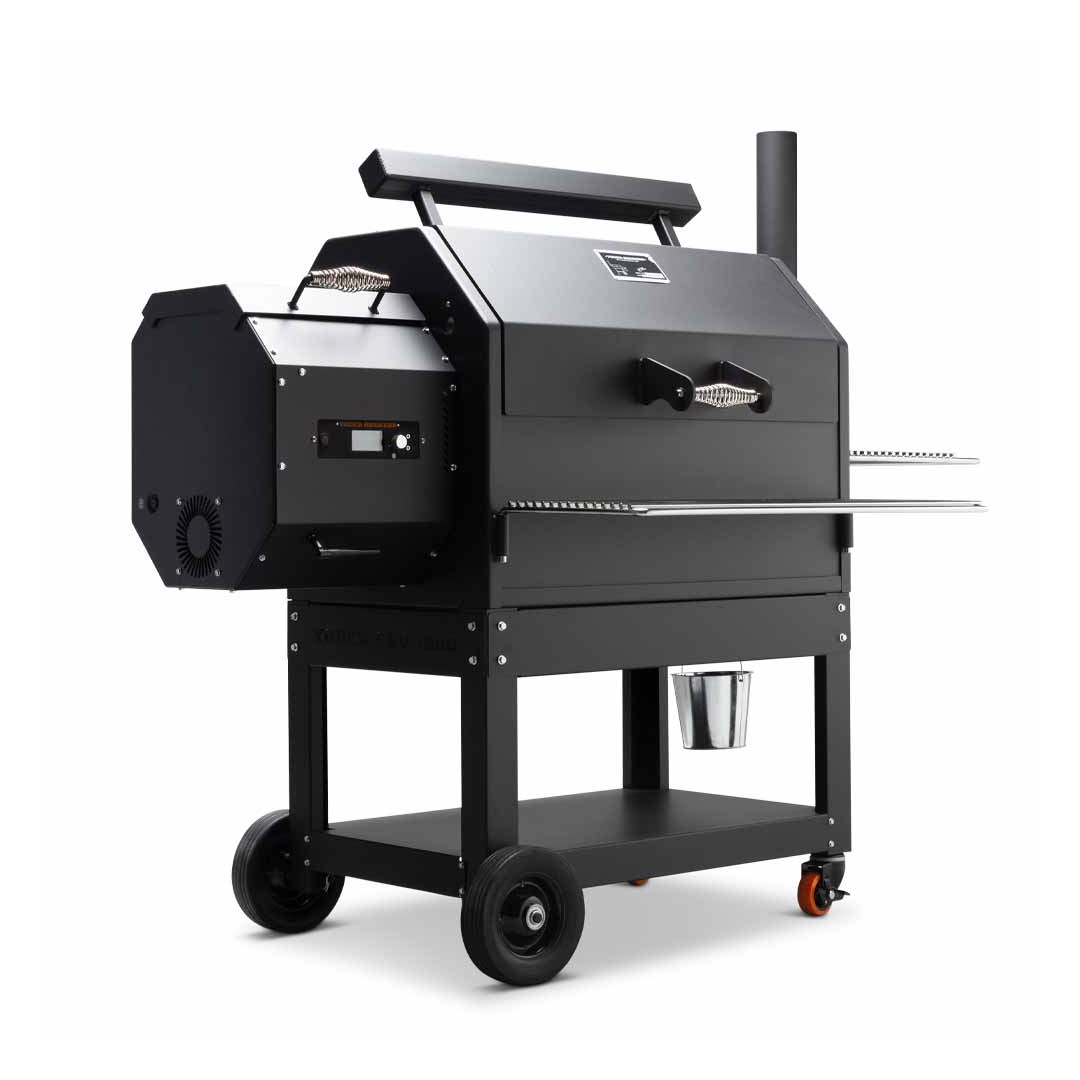
Yoder YS640s
The Yoder YS640s is a 315 lb pellet smoker welded from 10-gauge American steel in Yoder, Kansas, with the FireBoard-based ACS controller and true direct-flame grilling. On BBQ forums it's the buy-once-cry-once pellet grill.
Specifications
Features
Pros
- ✓Nothing under $3,000 approaches its build - 10-gauge steel everywhere means thermal mass that laughs at wind, winter, and decade-plus daily use
- ✓The 'Yoder' name caps out search results in owner discussions, owner discussions, owner discussions, and owner discussions - the consensus endgame pellet grill
- ✓The ACS controller is built on FireBoard hardware with WiFi and two probe ports, and holds within about 5°F across a 14-hour brisket in independent testing
- ✓Swap the heat diffuser for the direct-grilling setup and it sears steaks over live flame at 600°F+ like a charcoal grill
- ✓1,070 sq in across two shelves with nearly 12 inches of headroom swallows briskets, turkeys, and rib racks simultaneously
- ✓Smoke flavor is heavier than mainstream pellet grills thanks to the thick body and firebox design
- ✓It's hand-built in Kansas with a 10-year body warranty and a company that answers the phone and ships parts for decades-old pits
- ✓Resale holds remarkably well - used YS640s still command most of their original price
Cons
- ✗At ~$2,799 (over $3,100 on the competition cart) it costs as much as three mainstream pellet grills
- ✗315 lbs means delivery, assembly, and any relocation is a two-person-minimum event, and it's never going to a tailgate
- ✗The painted steel finish (not stainless) needs occasional touch-up to prevent surface rust, especially in humid climates
- ✗Pellet consumption is higher than insulated thin-wall grills since all that steel takes energy to heat
- ✗No frills - no pellet sensor, no ash-cleanout system (you vacuum the firepot), and side shelves cost extra on some configs
- ✗The direct-grilling conversion means physically swapping internal plates, not flipping a lever like Pit Boss's slide plate
- ✗It's sold mostly direct or through specialty dealers, so you likely can't see one before committing to freight shipping
- ✗Electrical components carry a much shorter warranty than the 10-year body coverage
Owner Insightssummarized from owner discussions
The YS640s is the pellet grill people buy when they have decided not to buy another pellet grill. It is heavy welded steel, it holds its set point, and the thing owners say most often is that it simply works when you turn it on. Owners coming off a Traeger or a GMG describe the difference as obvious the moment they lift the hood, and the ones in cold climates are emphatic: pits that became unusable in a Chicago or Canadian winter were the reason they upgraded, and this one keeps running. It sears properly over its own firebox at grate temperatures around 800F with the stock grates, so it genuinely can be the only cooker in an outdoor kitchen.
Two things about it are not in the marketing. The first is rust. The steel is thick but it is painted, not stainless, and owners in humid states report surface rust and flaking within a few years even kept covered, with one five-year owner having repaired it once and watched it come straight back. The eleven-year owner's only stated regret is the same thing. The second is heat distribution. That same long-term owner measured about 600F near the firebox and about 280F at the far end after half an hour, and owners disagree about which end runs hot, so you have to learn your own grill rather than trusting a general rule. Ribs coming off burnt at a modest set temperature usually trace back to this.
The surprise for upgraders is smoke. Several owners who made dozens of good briskets on a cheap Traeger found the Yoder gave them less smoke flavor, not more, and ended up adding wood chunks to the fire pot or running a smoke tube. If heavy smoke is the goal rather than build quality, owners point at a Camp Chef Woodwind Pro with its separate smoke box instead, often for a thousand dollars less. Buy the Yoder for the steel, the cold-weather behavior, and the decade-plus service life, and go in knowing it costs roughly three times a Recteq or GMG for food that is not three times better. Buying used is a genuinely good route here, because the controller can be upgraded and the body is worth restoring.
What owners like
- +The build difference is obvious in person, and owners say that is what closed the sale. One buyer who spent weeks comparing Recteq, Traeger, Weber, Pit Boss and Louisiana in stores described the American steel against big-box stamped steel as immediately apparent on the flick test. Another said lifting the hood told him it was in a different league than the Traeger he was replacing.
- +It does not quit mid-cook. The line owners keep repeating is that they no longer wake up at 3am wondering whether the pit shut itself off, which is the specific anxiety they carried over from cheaper pellet grills.
- +Cold weather is where it separates itself. An owner in Chicago could not run his old pellet grill at all in late fall or winter; an owner running both a YS640s and a Camp Chef Apex says the Yoder is the superior smoker specifically for winter cooking.
- +Searing works without buying anything extra. Owners report real steakhouse crusts over the direct-flame setup, with one measuring grate temperatures around 800F, and note that the stock stainless grates do the job so the optional aluminum sear grates are not required.
- +It sears over its own firebox, so there is no side burner attachment and no separate propane tank to buy and store. Buyers cross-shopping a Camp Chef point out that adding a Sidekick pushes that grill much closer to Yoder money anyway.
- +The controller is upgradeable rather than disposable. One owner bought a YS640 eleven years ago and converted it to 640s spec by swapping the controller, which is why older units keep circulating.
- +The used market rewards patience. One owner picked up a used YS640 for $500 and had it fully sorted at $1,200 including a new controller, other parts, and a sand-and-repaint.
- +It is treated as an only-grill by people building outdoor kitchens. It gets to temperature quickly enough for a weeknight, bakes, takes a pizza attachment, and can be built in, though the built-in island is sold through dealers rather than on Yoder's own site.
Common complaints
- −Rust is the defining long-term complaint and the thick steel does not prevent it. A five-year owner reports surface rust starting while the grill lived in California and significant rust and flaking after moving to Florida, despite keeping it covered, with the cover itself deteriorating early. Shoppers cite reports of light to moderate rust within a year, and an eleven-year owner says his one regret is that it is not stainless.
- −The heat gradient is severe. The same long-term owner measured roughly 600F near the firebox against about 280F at the exhaust end after 35 minutes of running, and describes the spread as extremely uneven enough to change how he uses the grill. Owners disagree about which end runs hot, which means you need to map your own.
- −Smoke output disappoints people coming from cheaper pellet grills, which is the opposite of what they expected. Owners who made dozens of briskets on a small Traeger report the Traeger's flavor was better, and a new YS640 owner getting little to no smoke was planning to add wood chunks to the fire pot and a smoke tube to compensate.
- −Igniters are a consumable. One owner went through two in four years and recommends keeping a spare on hand, having been caught trying to light the pit at night with every store closed.
- −The price is hard to defend on performance alone and owners admit it. The common framing is that it costs about three times a GMG or Recteq, that you could buy two replacements of those before reaching Yoder money, and that the honest justification is loving the hobby rather than better food.
- −Pellet handling is awkward. There is no easy way to dump the hopper after a cook, which matters because pellets need dry storage and left-in pellets absorb humidity.
Common Questions
Will it actually rust?
Does it smoke more than a cheaper pellet grill?
How even is the heat across the grate?
Can it be my only grill?
Is it worth roughly three times the price of a Recteq or GMG?
Compare the Yoder YS640s
Related grills
More from Yoder Smokers →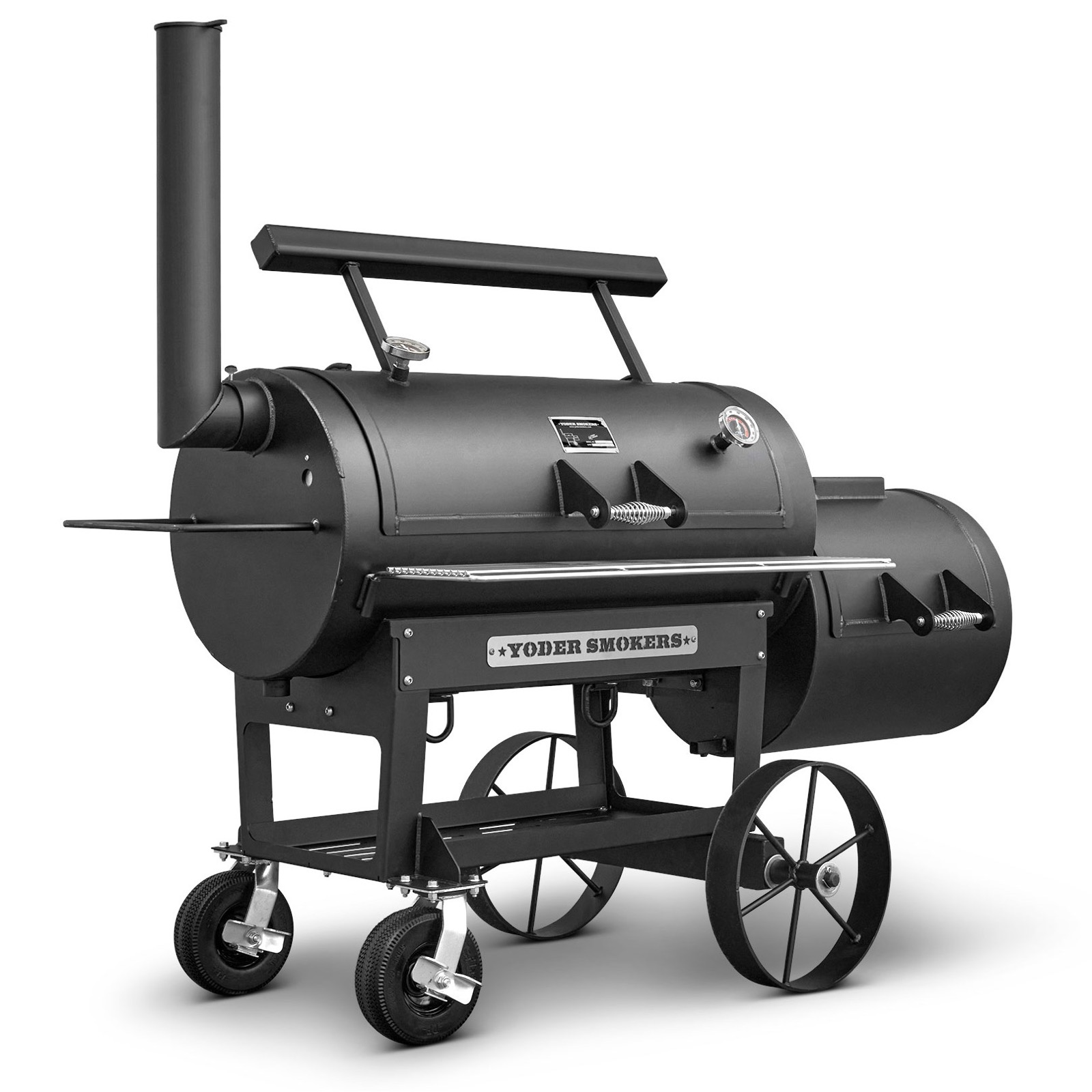
Yoder Smokers
Yoder Smokers Loaded Wichita Offset Smoker
The Loaded Wichita is Yoder's 20-inch offset, built in Kansas from quarter-inch pipe and plate and sold with a lifetime warranty. 'Loaded' is the only trim Yoder still lists and it bundles the door counterweight, dual gauges, a probe port, stainless grates, a heat management plate, grease drain and log grate — items that are extra-cost options on most pits in this class. Yoder's smaller Cheyenne offset has been discontinued, leaving the Wichita as the brand's entry offset.
Louisiana Grills
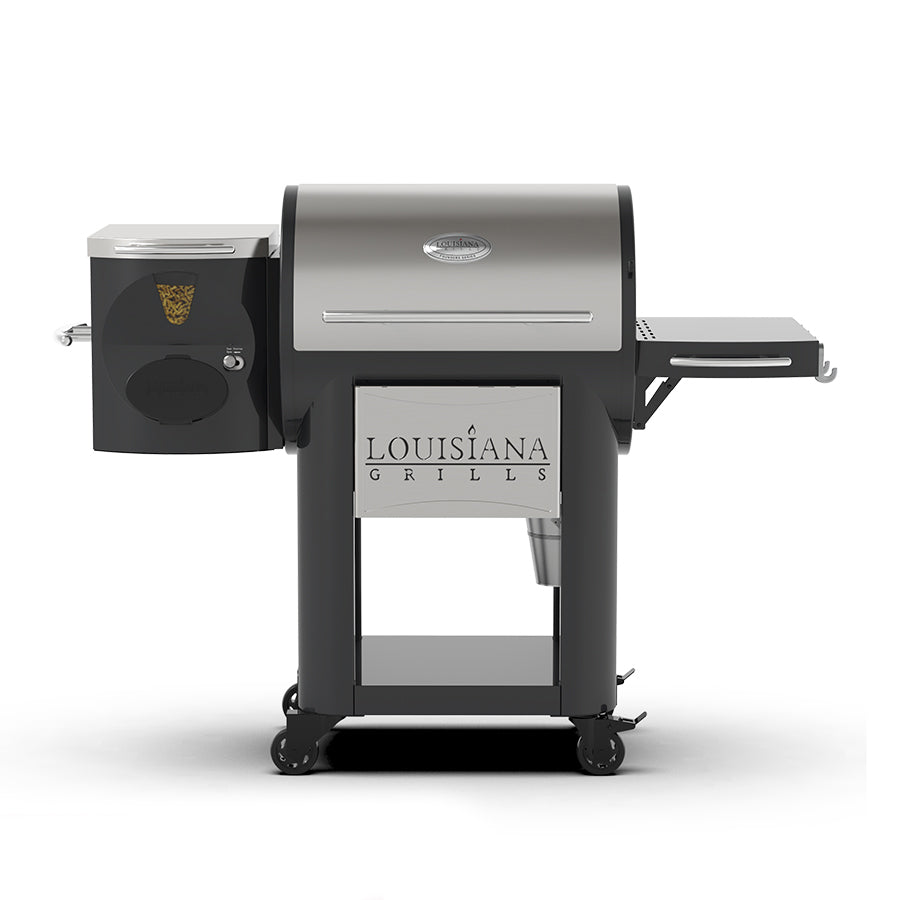
Louisiana Grills Founders Legacy 800
The Founders Legacy 800 is the top of Louisiana Grills' range and the only pellet grill in this catalog built in 304 stainless with a 29 lb hopper. Its Pressurized Cooking System uses an adjustable rear exhaust to hold pressure in a double-lined barrel, and SearTech opens direct flame that the maker rates to 1,000°F — roughly 400°F past what a Traeger or Weber pellet grill will do. A griddle insert and grill light are included rather than sold as accessories. The base 800 is described here; a 1200 sits above it.
Traeger
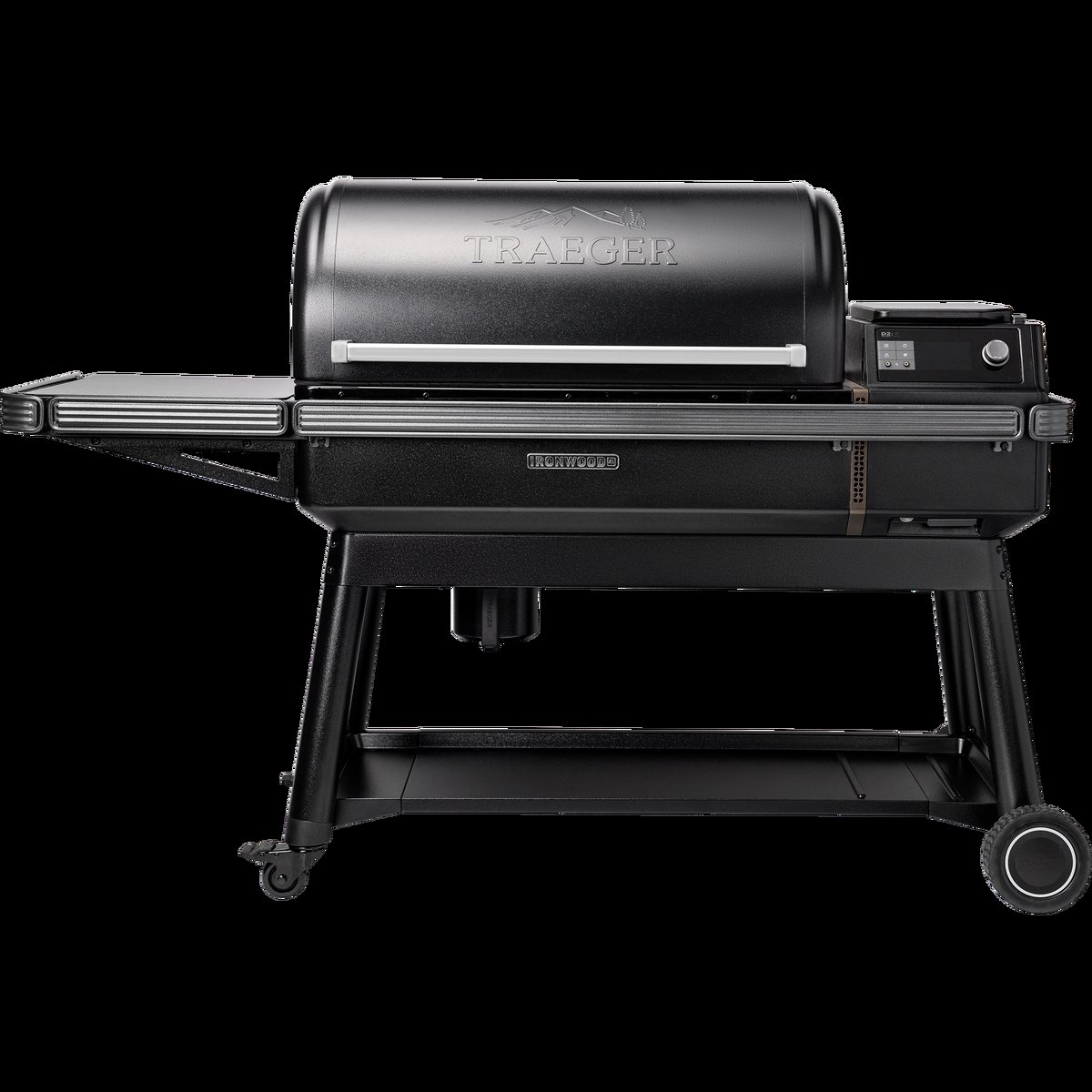
Traeger Ironwood XL
The Ironwood XL is the standard Ironwood stretched from 616 to 924 sq in; controller, touchscreen, sealed chamber, pellet sensor and grease keg are all identical. Against the Timberline above it, it gives up the third rack, the induction side cooktop and the stainless build for $1,500. Against the Woodridge Elite at the same money, it trades the gas burner for the touchscreen controller and the better-sealed chamber.
Traeger
Traeger Timberline
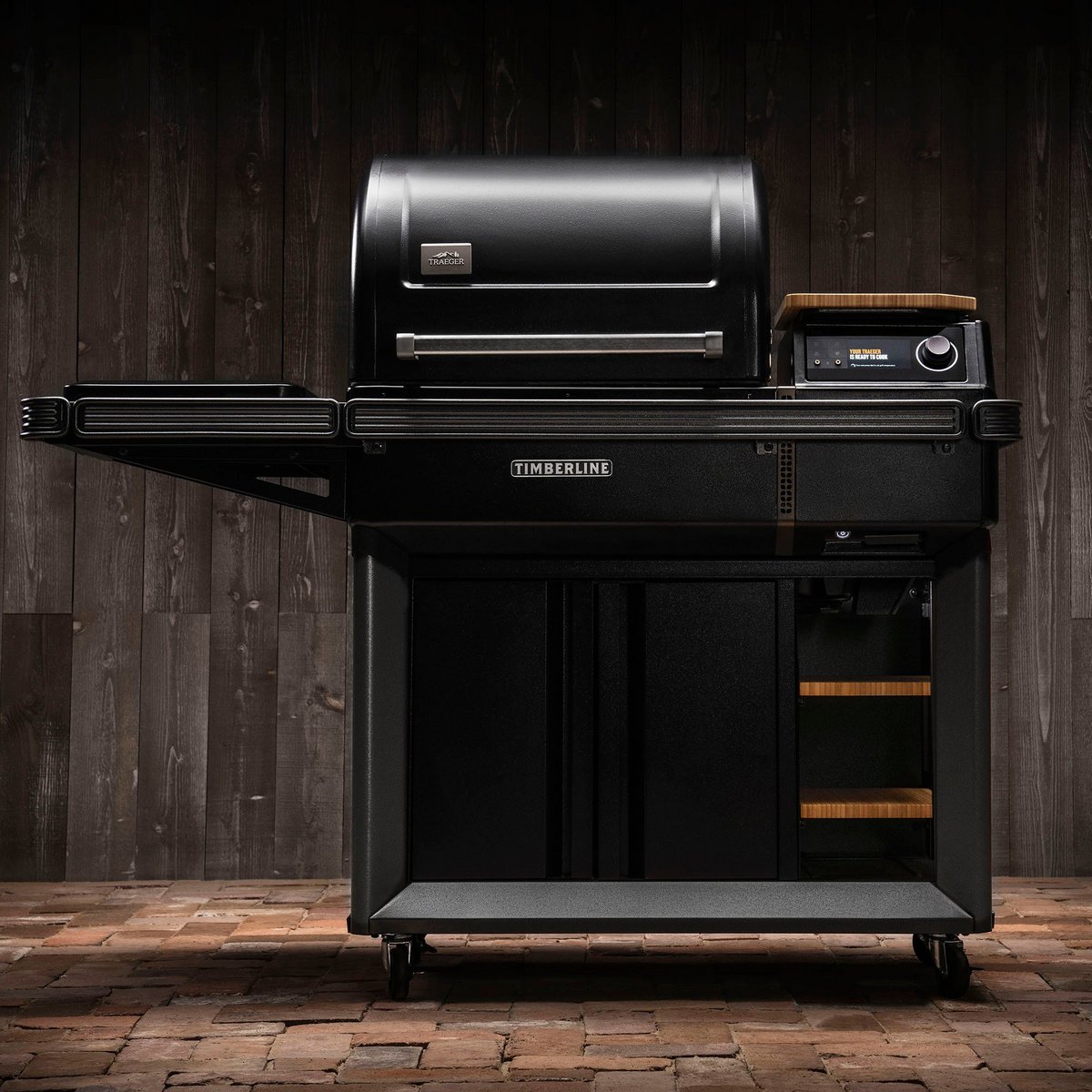
The smaller of Traeger's two flagships: 880 sq in across three racks in a stainless cabinet, with an electric induction cooktop built into the left side and a soft-close lid. It ships with two wired probes and two Traeger x MEATER wireless thermometers. The only difference from the $4,000 Timberline XL is chamber size — 880 sq in against 1,320.
Recteq
Recteq DualFire 1200
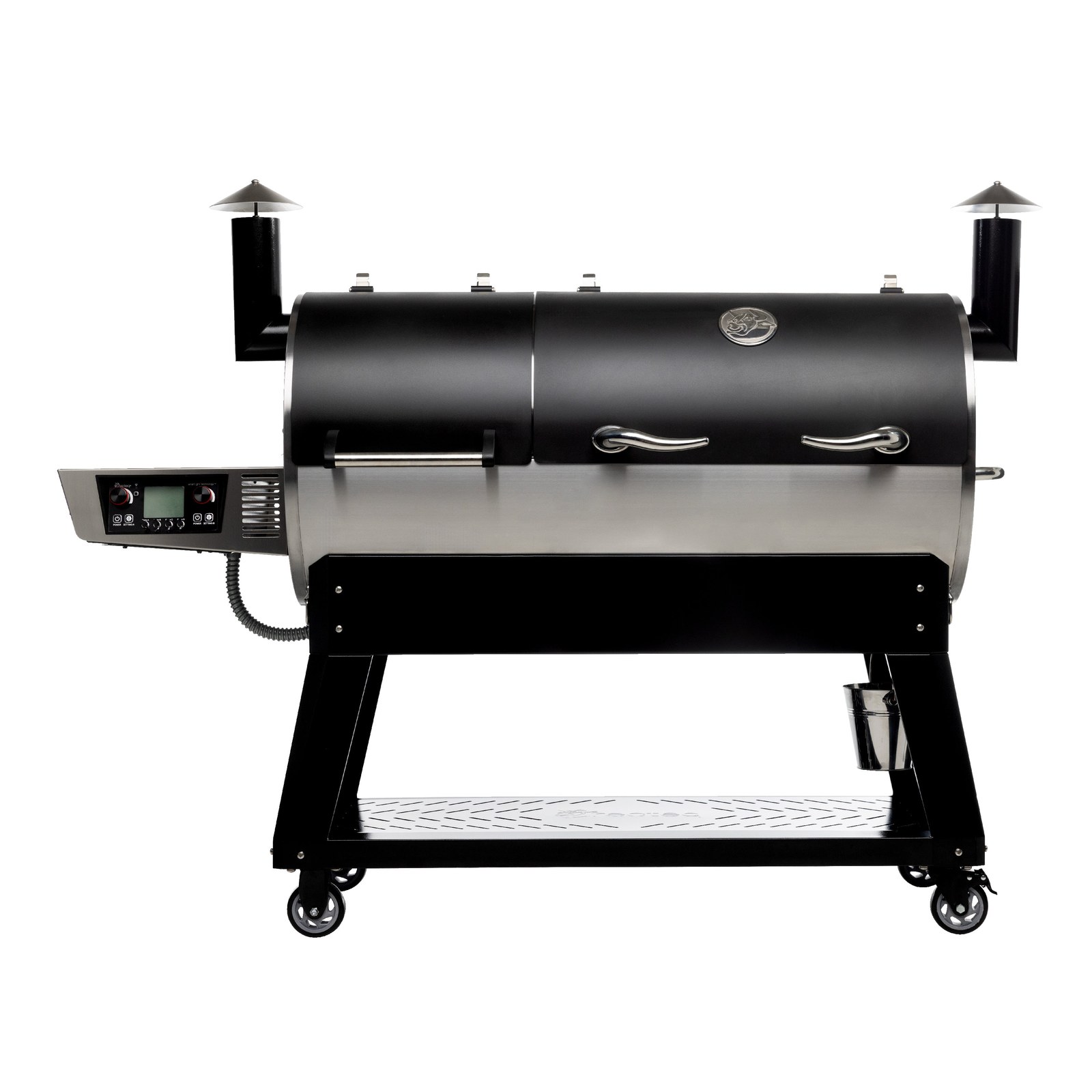
The DualFire 1200 is a two-chamber pellet grill: about 900 sq in of indirect smoking space on one side and roughly 300 sq in of direct-flame grilling on the other, each with its own fire and its own set point. That is the feature no other mainstream pellet grill has — you can hold 225°F on a brisket and sear at 700°F at the same time without moving anything. It carries a 70 lb hopper, the largest in Recteq's line.

Traeger
Traeger Ironwood
The current-generation Ironwood replaced the discontinued Ironwood 885 in Traeger's lineup, trading raw cooking area for a dual-wall insulated barrel, a color touchscreen, and Smart Combustion tech that owners consistently say holds temps within a few degrees even in wind and cold. The EZ-Clean ash keg is the sleeper feature — cleanup drops from a shop-vac session to emptying a bucket. The honest knocks: at $1,800 you're paying a steep premium over a Woodridge Pro that cooks nearly as well with more space, the 500F ceiling still won't sear like a gas grill or a Weber Searwood's 600F, and Traeger's smoke profile stays on the mild side unless you lean on Super Smoke and 225F cooks. Some owners report WiFIRE connectivity drops and occasional startup temp overshoot, and the induction fan is audible. But as a set-and-forget smoker with genuinely modern controls and a 10-year warranty, it's the best-sorted mid-size Traeger yet — just know you're paying for polish, not capacity.