Best Tailgate Grills (2026)
A tailgate grill has one extra spec that matters more than any other: it has to survive the truck bed and set up in a parking spot. Everything here weighs under 100 pounds and earns its rank by owner rating — from griddles that feed a whole lot row to kettles that have worked stadium lots for fifty years. Our #1 pick is the Big Green Egg MiniMax.
Big Green Egg
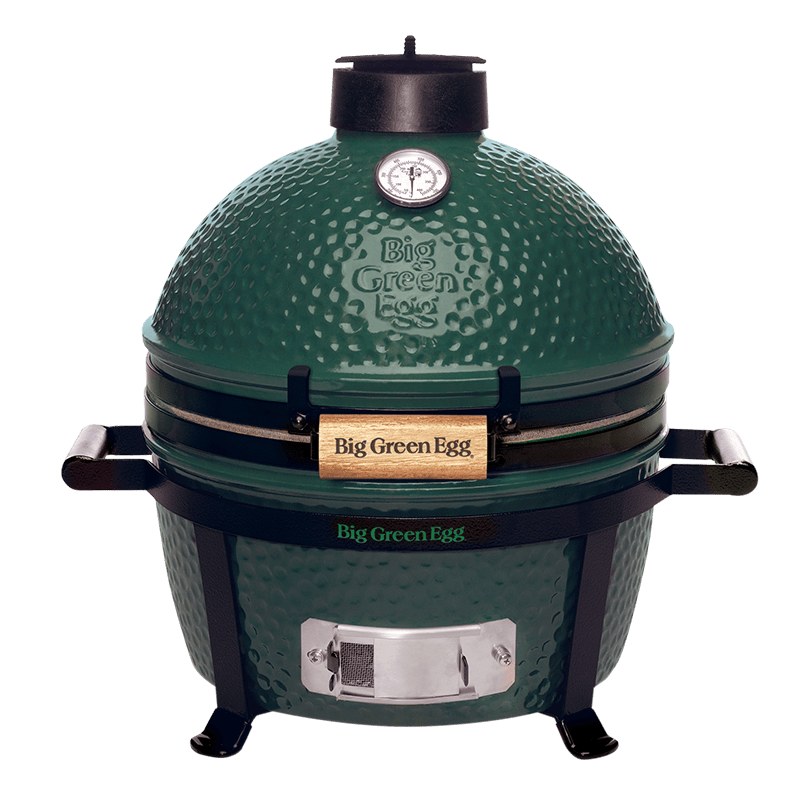
Big Green Egg MiniMax
The Big Green Egg MiniMax packs the full ceramic kamado experience into a 19.5-inch-tall tabletop cooker that ships with its own carrier. It's the Egg for balconies, tailgates, and campsites - same 750°F ceiling, a quarter of the footprint.

Kamado Joe
Kamado Joe Joe Jr.
The Kamado Joe Joe Jr. is a compact 13.5-inch portable ceramic kamado that brings full kamado versatility to small spaces, balconies, tailgates, and camping. It's the most portable cooker in the Kamado Joe line.
Pit Barrel Cooker
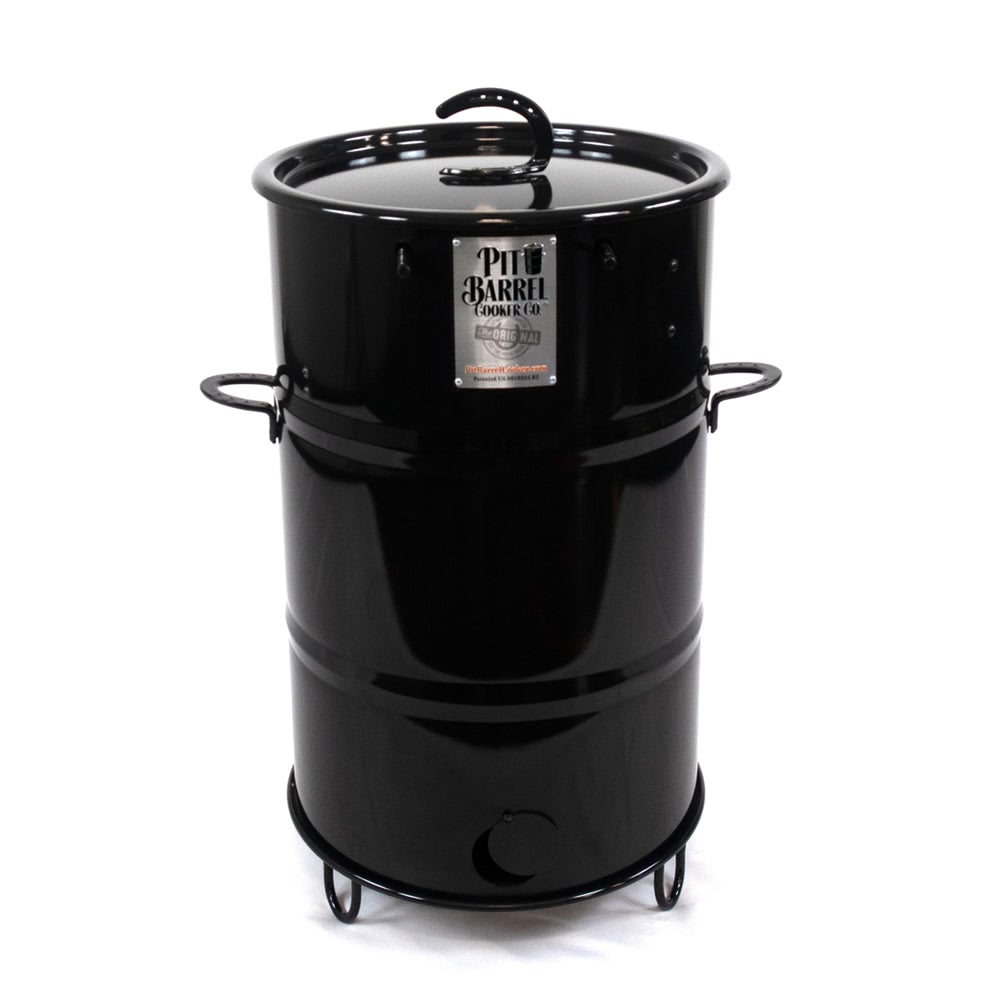
Pit Barrel Cooker Classic
The Pit Barrel Cooker Classic is an 18.5-inch porcelain-coated drum smoker that hangs meat vertically over the coals on hooks. It's beloved in owner discussions for being nearly foolproof - light it, hang the meat, and walk away.
Pit Barrel Cooker Co.
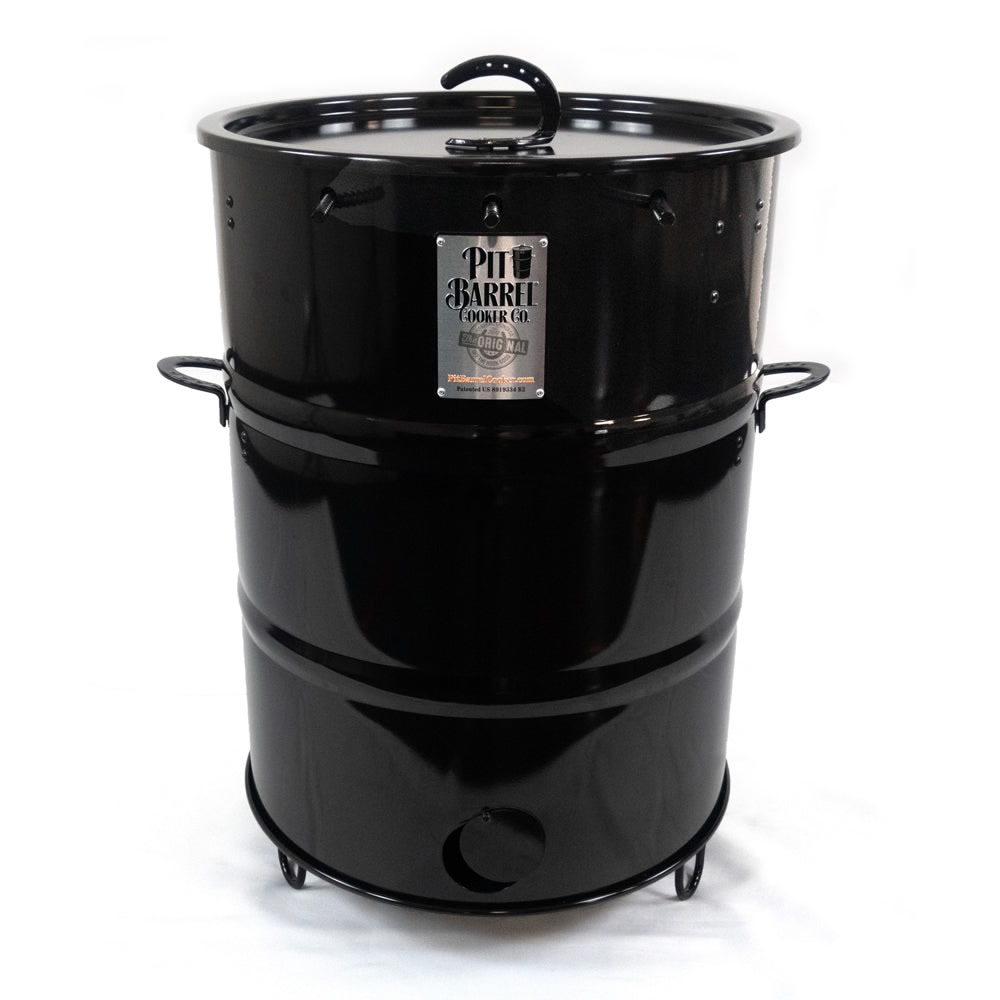
Pit Barrel Cooker PBX 22.5
Pit Barrel's largest drum and the one the catalog is missing at the top end: a 22.5-inch porcelain-coated barrel with three hanging rods and sixteen hooks against the Classic's two rods and eight. Pit Barrel rates it at 16 to 20 racks of ribs, four pork butts, four full packer briskets or four turkeys in a single load, which is catering and competition capacity rather than backyard capacity. The trade-off is the one Pit Barrel prints on the page themselves: with a light load there is less meat absorbing heat, so the barrel runs hotter than the 18.5.
Cookshack
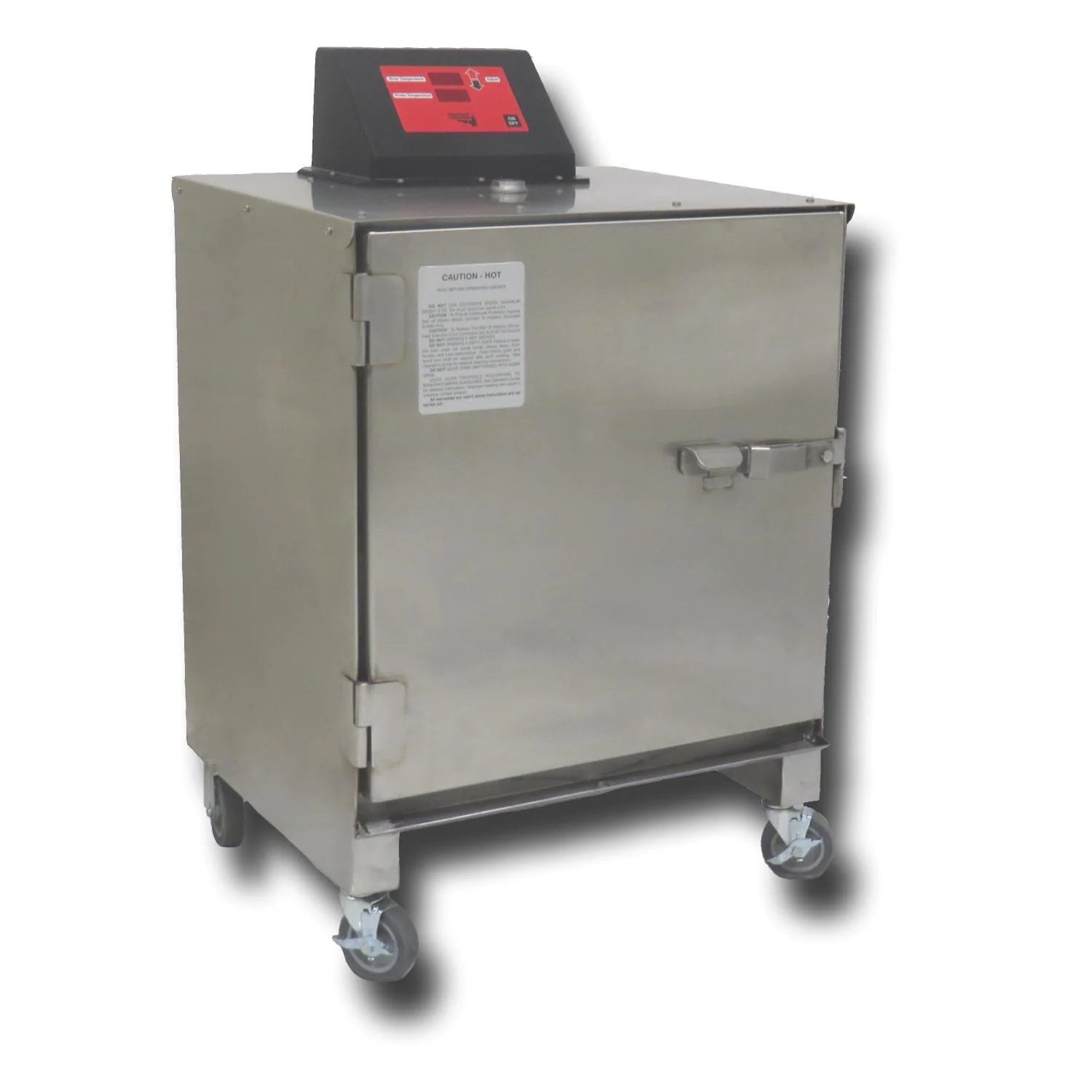
Cookshack Smokette Elite SM025
Cookshack build electric cabinets the way commercial kitchens do, and the Smokette Elite is the smallest one: double-walled stainless around 850°F Spin-Glas insulation, so the outside stays cool and the inside holds a set temperature through weather that shuts down a thin-walled cabinet. Smoke comes from a couple of ounces of real wood chunks in a steel box on the element, not chips or pucks - you load it once for the whole cook. 504 sq in over two 14 x 18 in grills, 20-25 lbs of meat, a digital cook-and-hold controller and a meat probe, on four lockable casters.
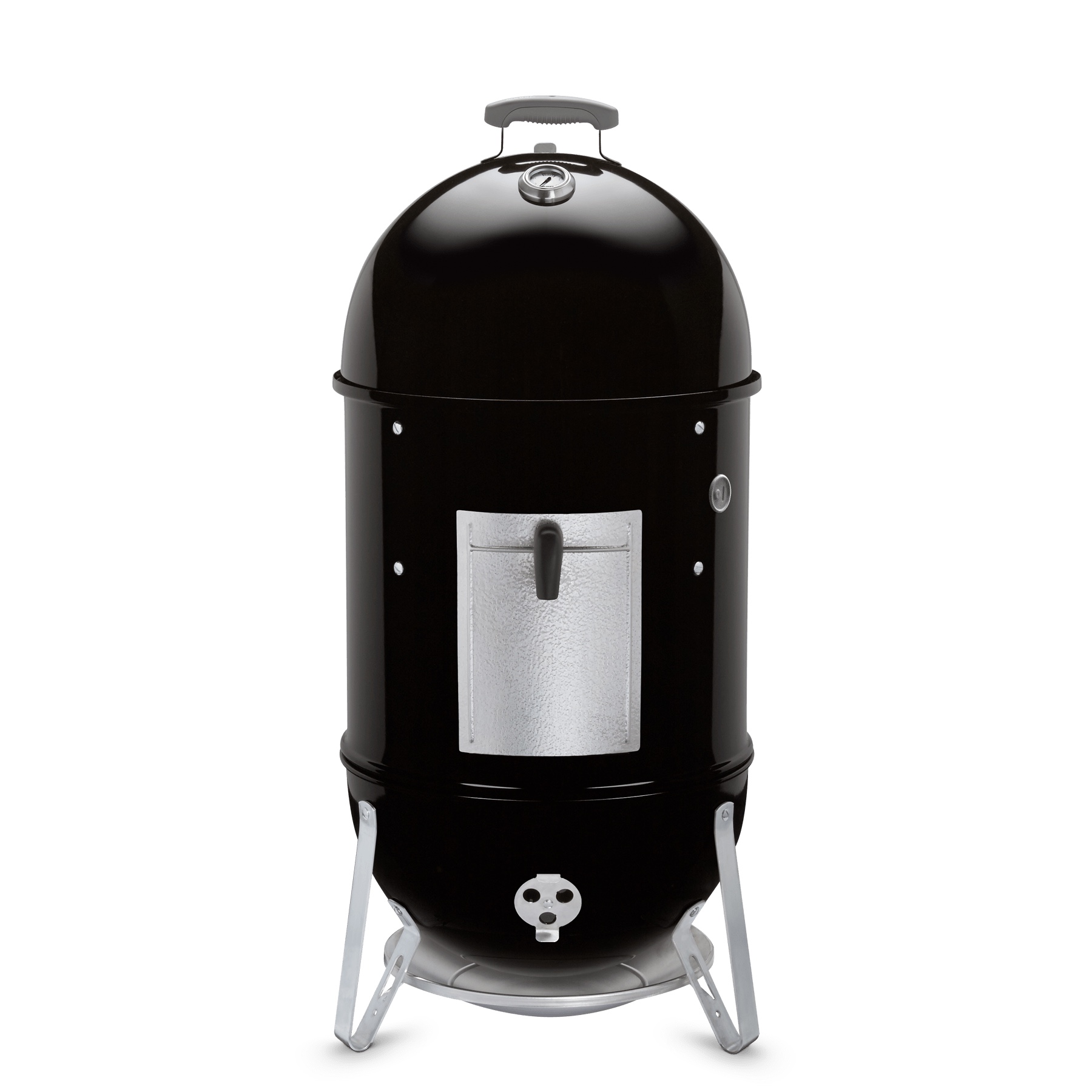
The Weber Smokey Mountain is the legendary bullet-shaped charcoal water smoker that has been the 'first real smoker' recommendation for decades. Two stacked grates and a water pan turn out competition-quality BBQ for under $500.
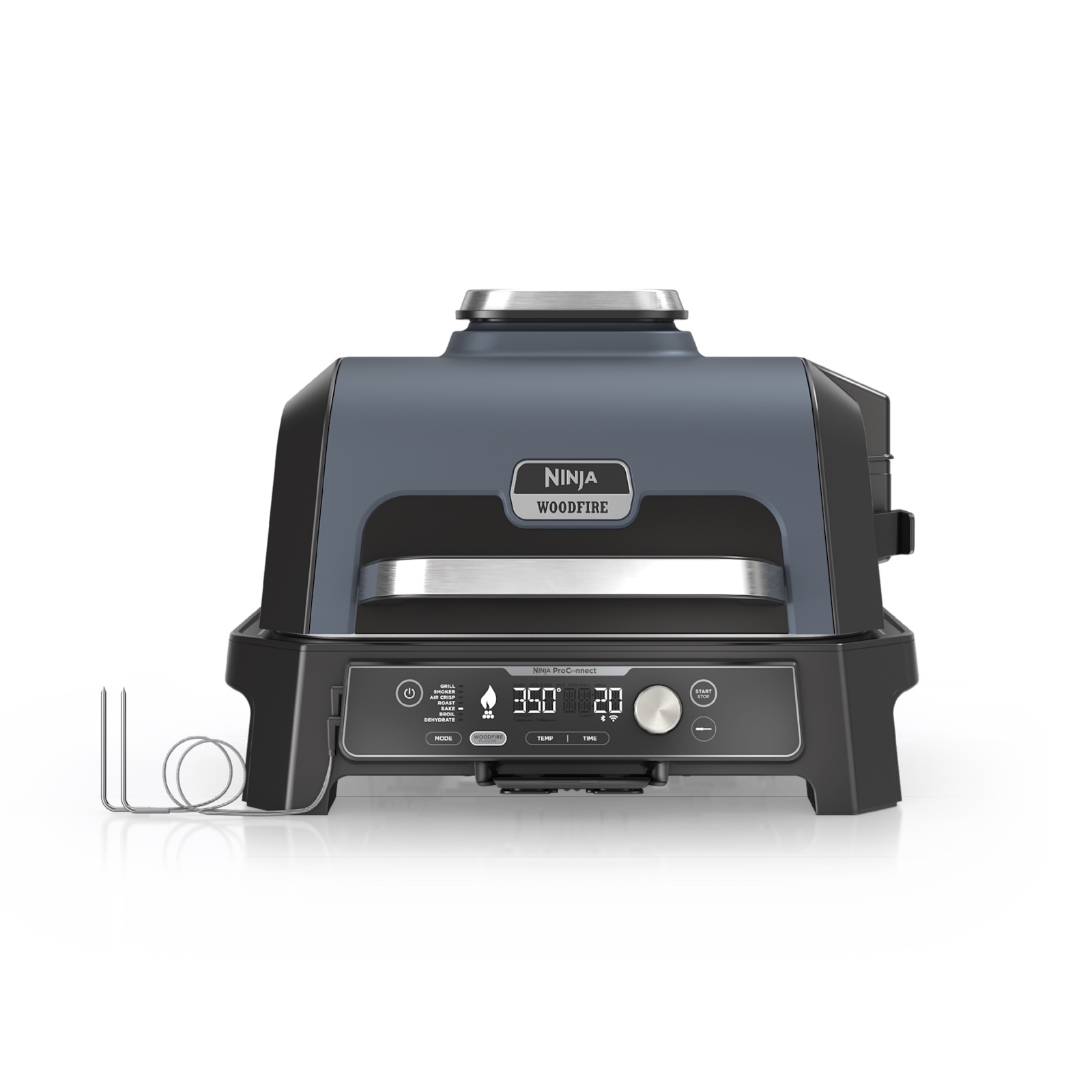
The Ninja Woodfire Pro Connect XL is a 7-in-1 electric outdoor grill, smoker, and air fryer that burns a small box of real wood pellets for flavor while cooking on electric heat. It's owner discussions's go-to answer for balconies and apartments where charcoal and gas are banned.
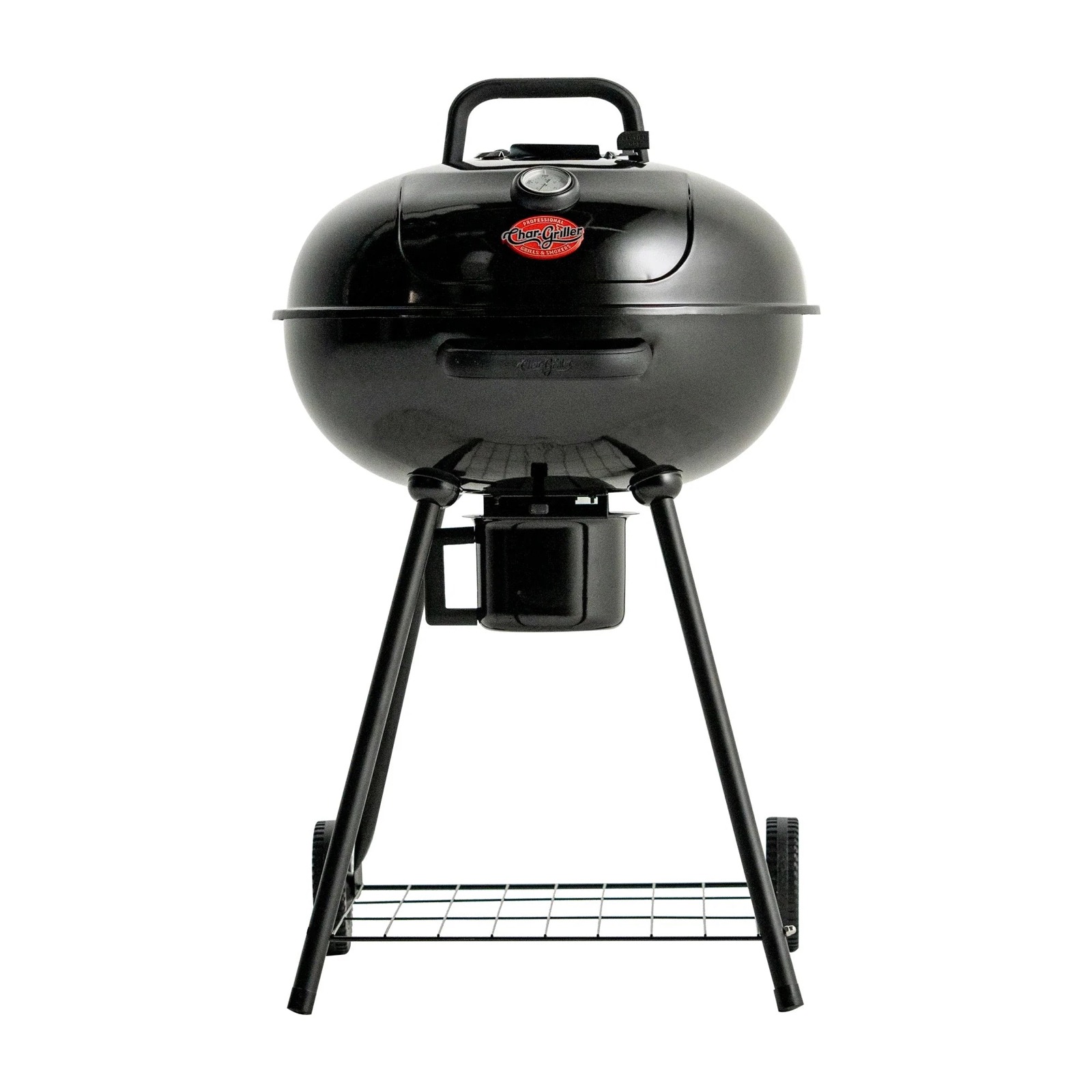
Char-Griller's answer to the Weber kettle: a 22-inch porcelain-coated bowl with adjustable top and bottom vents and a removable EasyDump ash pan, at $150 against Weber's $229 for the Original Kettle Premium. It weighs 23 lbs, about 10 lbs less than the Weber, which is a build-quality difference as much as a portability one.
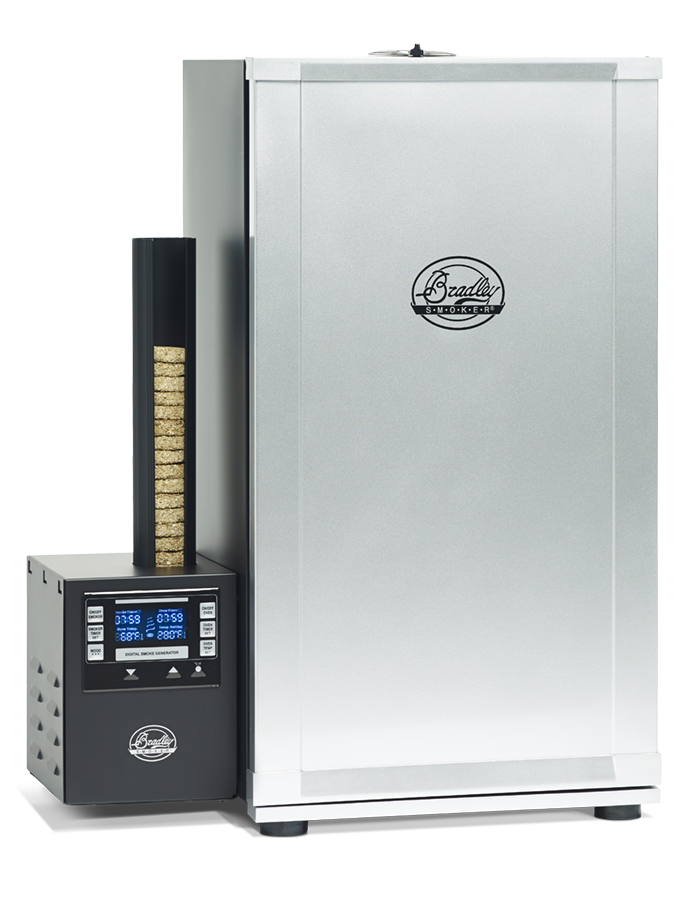
Bradley Smoker
Bradley Digital 4 Rack Electric Smoker
The same cabinet, racks and bisquette feeder as the Original, with a digital controller that sets temperature, cook time and smoke time as three independent numbers and a thermostat that actually holds the set point. That last part is the reason to pay the $160 difference: the Original's dial is a power setting, this one closes the loop. Ceiling rises slightly to 280°F.

The Weber Master-Touch 22 is the upgraded version of Weber's iconic charcoal kettle, adding a hinged Gourmet BBQ System grate, a built-in thermometer, and a Tuck-Away lid holder. It's a benchmark backyard charcoal grill.
The parking-lot playbook
The tailgate checklist that separates veterans from first-timers is mostly about what you can't get at the stadium: a full propane cylinder PLUS the one-pound backup bottle (the 20-pounder that died at kickoff is a rite of passage — a full 20-lb cylinder runs a portable gas grill or griddle for a dozen tailgates, but nobody knows how full theirs is, which is what luggage scales are for), a wind answer (the lot is always windier than the driveway — park the truck as your windbreak, or a folding griddle wind guard turns a blowtorch day cookable), and the pack-up-hot problem: you cannot put a hot grill in a truck bed, and the game starts when the game starts. Charcoal answer: a metal ash can with a lid (coals die sealed, and the can doubles as transport); gas answer: griddles cool fastest of anything with the burners off, one more argument for the flat-top's tailgate dominance.
On equipment philosophy, the lot has been running the same debate for decades: the griddle faction (smash burgers, breakfast-for-forty, nothing falls through) has clearly won the volume argument — a 28-inch griddle feeds a row of tailgates continuously in a way grates never will — while the charcoal faction keeps the flavor vote with kettles and the cult-favorite cast-aluminum PKs that shrug off fifty seasons of truck beds. The honest answer for most crews is the griddle for the food and a small kettle for the smell, because the smell is half of why anyone tailgates.
Questions, answered
Griddle or grill for tailgating?
Griddle, if you feed a crowd: continuous smash-burger and breakfast output, nothing falls through, fastest cool-down for pack-up. The kettle keeps the charcoal smell that makes a lot smell like a tailgate — plenty of crews run both. Whatever you bring, it has to survive a truck bed and a windy parking spot.
How many tailgates does a propane tank last?
A 20-lb cylinder runs a portable gas grill or griddle for roughly a dozen 3-4 hour tailgates. The problem is never capacity, it's not knowing how full the tank is — weigh it (tare weight is stamped on the collar; a luggage scale works) and always bring a 1-lb backup bottle.
How do I transport a grill that's still hot?
You don't — plan the cool-down into the timeline. Gas griddles cool fastest; for charcoal, dump the coals into a lidded metal ash can where they suffocate in minutes and the can rides home safely. A hot kettle in a truck bed is how tailgate horror stories start.
What about wind?
The lot is always windier than home. Park the vehicle as a windbreak, set the cook station leeward, and for griddles use a folding wind guard — wind steals more heat from a flat-top than any temperature dial can add back. Charcoal runs hotter and faster in wind; close the vents down earlier than usual.