Traeger Ironwood 885 vs Recteq Backyard Beast 1000

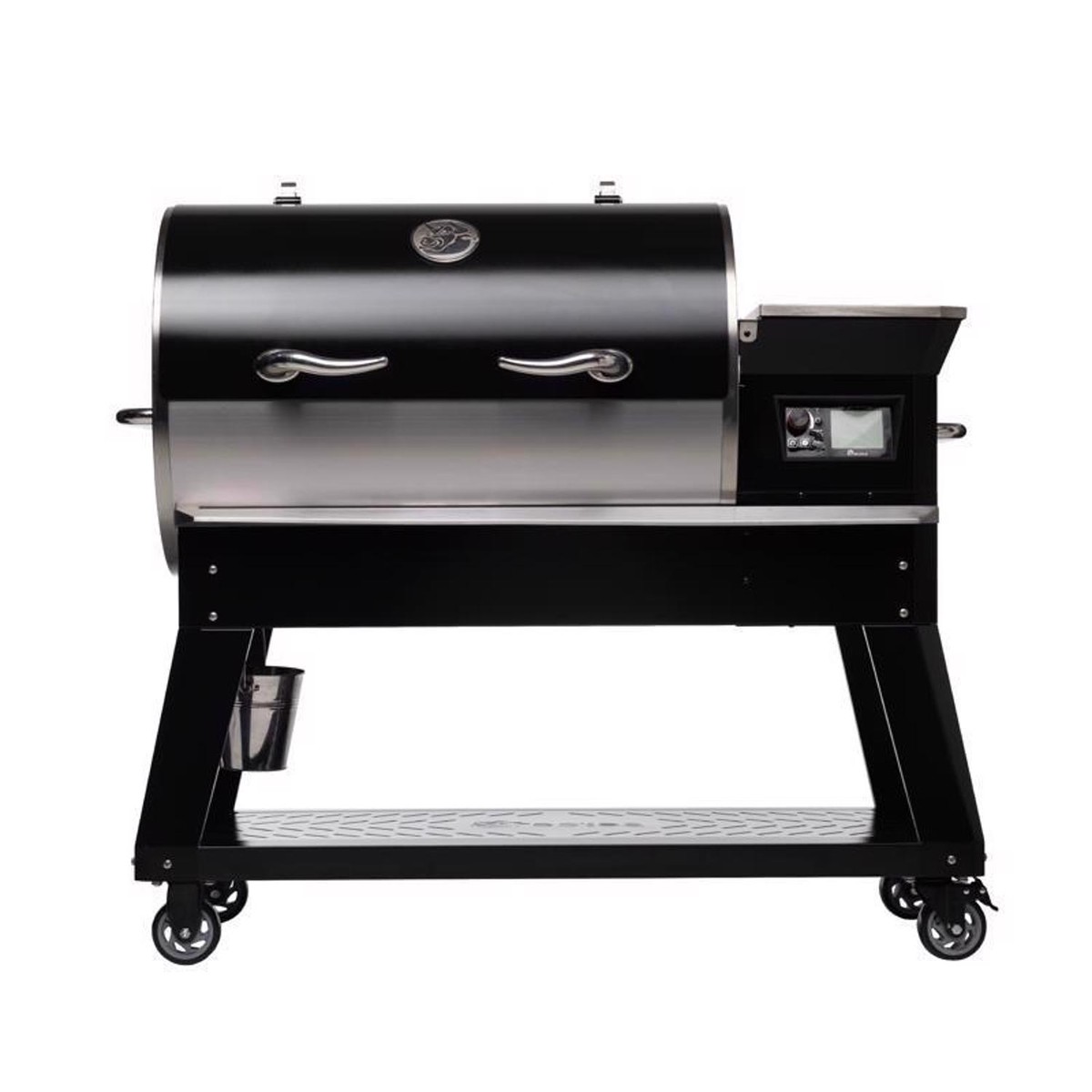
Quick take: The Recteq Backyard Beast 1000 costs $201 less; the Recteq Backyard Beast 1000 offers more cooking space (1,014 vs 885 sq in); the Recteq Backyard Beast 1000 reaches a higher max temp (700 vs 500°F).
| Spec | Traeger Ironwood 885 | Recteq Backyard Beast 1000 |
|---|---|---|
| Price | ~$1,400 | ~$1,199 |
| Rating | 4.6★ (836) | — |
| Type | Pellet Grill | Pellet Grill |
| Cooking Area | 885 sq in | 1014 sq in |
| Max Temp | 500°F | 700°F |
| Fuel Type | Wood Pellets | Wood Pellets |
| Build Material | Powder-Coated Steel | Stainless Steel |
| Hopper Capacity | 20 lb | 30 lb |
| Burners | — | — |
| WiFi / App | Yes | Yes |
| App control | Yes | Yes |
| Meat probe | Yes | Yes |
| PID controller | Yes | Yes |
| Side burner | No | No |
| Rotisserie | No | No |
| Searing | Yes | Yes |
| Dimensions | 54 x 47 x 27 in | 52 x 41 x 39 in |
| Weight | 175 lbs | 180 lbs |
| Warranty | 3 years | 6 years |
Pros & cons
Traeger Ironwood 885
- ✓The D2 controller holds your set temp within roughly 5-15°F once it settles, which is plenty accurate for ribs, brisket, and pork butt without babysitting
- ✓Super Smoke mode genuinely cranks up smoke output at low temps (under 225°F) and gives noticeably more bark and smoke ring than the old Pro series
- ✓The downdraft exhaust and double-sidewall insulation help it hold heat better than older Traegers, so it recovers faster when you open the lid
- ✓WiFIRE app is the most mature in the category and lets you adjust temp, set probe alarms, and monitor cooks from your phone anywhere
- ✓885 sq in over two racks easily handles two pork butts plus a couple racks of ribs, so it's a real family/party-sized cooker not just a weeknight grill
- ✓The built-in pellet sensor warns you before the hopper runs dry, which saves you from the dreaded stalled-out overnight brisket cook
- ✓TurboTemp gets it up to cooking temp in about 10-15 minutes, faster than many competing pellet grills
- ✓Cleanup is straightforward thanks to the EZ-clean grease and ash keg, and the porcelain grates wipe down easily
- ✗WiFi connectivity is the number-one owner complaint - the grill regularly drops off the network mid-cook and you have to re-pair it through the app
- ✗Like all pellet grills it tops out around 450-500°F, so you won't get a true steakhouse sear without a separate cast-iron skillet or GrillGrates
- ✗At roughly $1,400 it's expensive for powder-coated steel, and many feel Recteq or Camp Chef give you more grill for the money
- ✗Pellet consumption is on the higher side, especially in cold weather where the single-wall areas leak heat despite the marketing about insulation
- ✗Some owners report the auger jamming or the hot rod failing after a year or two, and Traeger service can be slow to ship parts
- ✗The 3-year warranty trails Recteq (6 yr) and Camp Chef, which feels stingy at this price point
- ✗Temperature swings of 20-30°F are common during the initial heat-up and after lid openings before the PID re-stabilizes
- ✗It needs 120V power and the controller electronics are a known failure point, so a true 'set it and forget it' overnight cook is a small gamble
Recteq Backyard Beast 1000
- ✓The 700°F ceiling is the highest of any mainstream pellet grill, so you can actually sear steaks without hauling out a separate cast-iron setup
- ✓Recteq's PID controller is famous for rock-steady temps - owners routinely report holding within 5°F of setpoint for entire overnight brisket cooks
- ✓The 30 lb hopper is huge, easily running 24+ hours at smoking temps without a refill
- ✓Stainless steel firepot, grates, and body components resist rust far better than the powder-coated steel most competitors use at this price
- ✓6-year warranty is double what Traeger offers, and Recteq's US-based phone support has a cult following for actually answering and shipping parts fast
- ✓1,014 sq in across two grates handles nine pork butts or eight racks of ribs - genuine party capacity
- ✓Dual-band WiFi connects more reliably than the 2.4GHz-only radios in most competitors, and the app supports two included meat probes
- ✓At around $1,100 it undercuts the comparable Traeger Ironwood XL by hundreds of dollars while offering better specs
- ✗No Super Smoke-style mode, so smoke flavor at higher temps is milder than offset purists want - many owners add a smoke tube
- ✗At roughly 180 lbs it's heavy and awkward to move, and assembly takes a solid two hours with a second person recommended
- ✗The horn handles and bull branding are polarizing - some find the styling gimmicky next to a Weber or Traeger
- ✗No included side shelf or front shelf at the base price - useful accessories push the real cost toward $1,300
- ✗Recteq sells direct-only, so you can't see one in person at a big-box store before buying
- ✗The controller display is small and hard to read in direct sunlight compared to Traeger's newer touchscreens
- ✗Searing at 700°F consumes pellets rapidly and can leave heavy grease smoke residue that means more frequent cleaning
- ✗No pellet-level sensor or auto-empty hopper chute refinements found on newer competitors