Recteq Backyard Beast 1000 vs Recteq Deck Boss 590
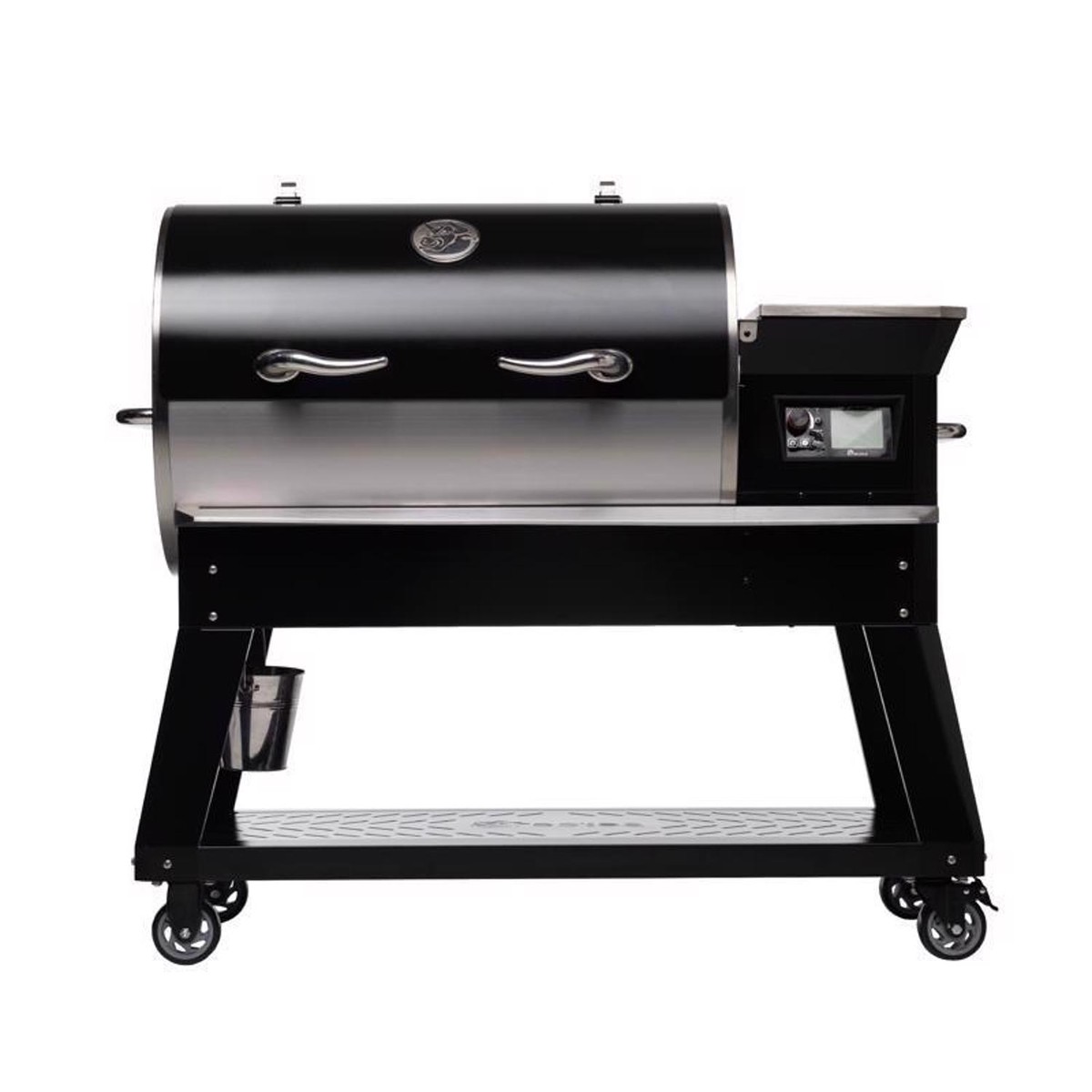
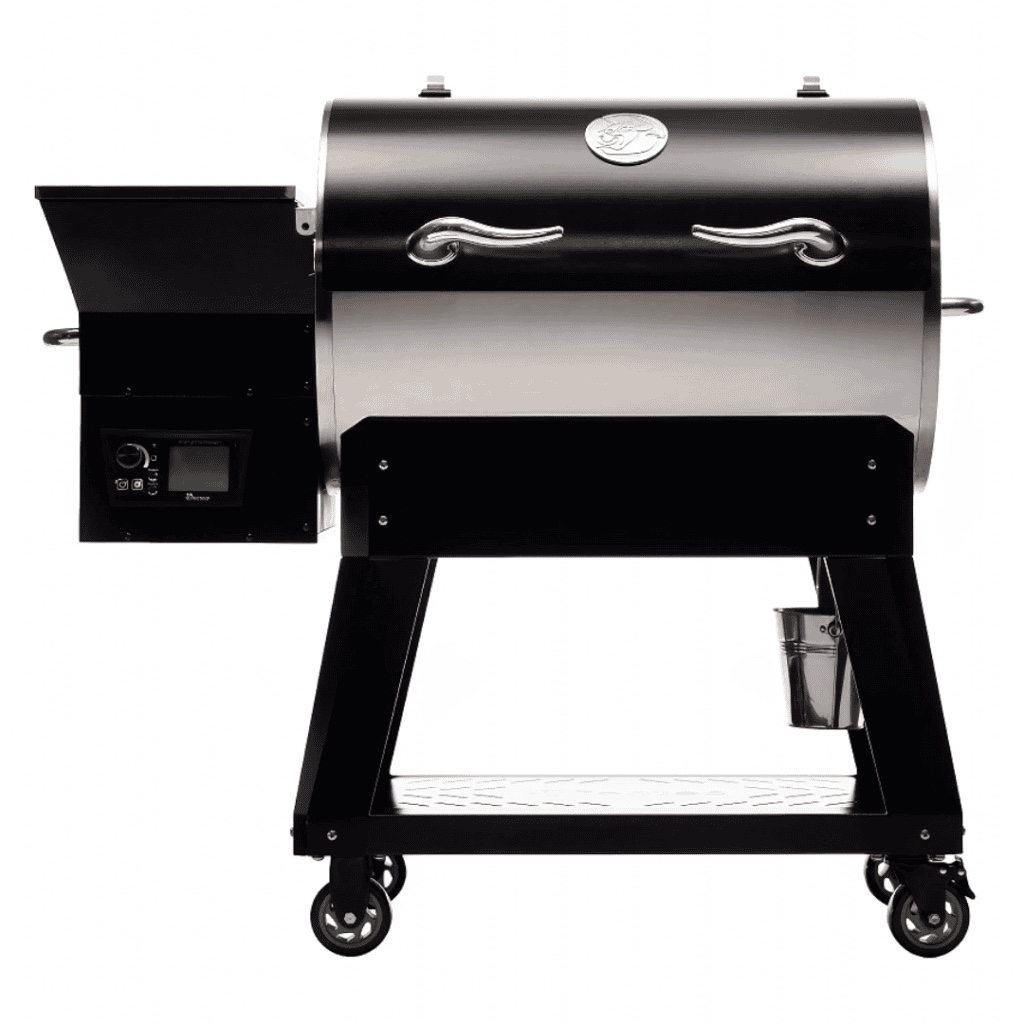
Quick take: The Recteq Deck Boss 590 costs $200 less; the Recteq Backyard Beast 1000 offers more cooking space (1,014 vs 590 sq in).
| Spec | Recteq Backyard Beast 1000 | Recteq Deck Boss 590 |
|---|---|---|
| Price | ~$1,199 | ~$999 |
| Rating | — | — |
| Type | Pellet Grill | Pellet Grill |
| Cooking Area | 1014 sq in | 590 sq in |
| Max Temp | 700°F | 700°F |
| Fuel Type | Wood Pellets | Wood Pellets |
| Build Material | Stainless Steel | Stainless Steel |
| Hopper Capacity | 30 lb | 30 lb |
| Burners | — | — |
| WiFi / App | Yes | Yes |
| App control | Yes | Yes |
| Meat probe | Yes | Yes |
| PID controller | Yes | Yes |
| Side burner | No | No |
| Rotisserie | No | No |
| Searing | Yes | Yes |
| Dimensions | 52 x 41 x 39 in | 48 x 41 x 30 in |
| Weight | 180 lbs | 155 lbs |
| Warranty | 6 years | 6 years |
Pros & cons
Recteq Backyard Beast 1000
- ✓The 700°F ceiling is the highest of any mainstream pellet grill, so you can actually sear steaks without hauling out a separate cast-iron setup
- ✓Recteq's PID controller is famous for rock-steady temps - owners routinely report holding within 5°F of setpoint for entire overnight brisket cooks
- ✓The 30 lb hopper is huge, easily running 24+ hours at smoking temps without a refill
- ✓Stainless steel firepot, grates, and body components resist rust far better than the powder-coated steel most competitors use at this price
- ✓6-year warranty is double what Traeger offers, and Recteq's US-based phone support has a cult following for actually answering and shipping parts fast
- ✓1,014 sq in across two grates handles nine pork butts or eight racks of ribs - genuine party capacity
- ✓Dual-band WiFi connects more reliably than the 2.4GHz-only radios in most competitors, and the app supports two included meat probes
- ✓At around $1,100 it undercuts the comparable Traeger Ironwood XL by hundreds of dollars while offering better specs
- ✗No Super Smoke-style mode, so smoke flavor at higher temps is milder than offset purists want - many owners add a smoke tube
- ✗At roughly 180 lbs it's heavy and awkward to move, and assembly takes a solid two hours with a second person recommended
- ✗The horn handles and bull branding are polarizing - some find the styling gimmicky next to a Weber or Traeger
- ✗No included side shelf or front shelf at the base price - useful accessories push the real cost toward $1,300
- ✗Recteq sells direct-only, so you can't see one in person at a big-box store before buying
- ✗The controller display is small and hard to read in direct sunlight compared to Traeger's newer touchscreens
- ✗Searing at 700°F consumes pellets rapidly and can leave heavy grease smoke residue that means more frequent cleaning
- ✗No pellet-level sensor or auto-empty hopper chute refinements found on newer competitors
Recteq Deck Boss 590
- ✓Same 180-700°F range as Recteq's flagship models, so it sears far hotter than a Traeger Pro or Pit Boss in the same price bracket
- ✓The PID controller holds setpoint with virtually zero temperature spikes for the entire cook - owners report unwavering temps even overnight
- ✓The oversized 30 lb hopper is unusual at this size and gives roughly 30 hours of low-and-slow cooking without a refill
- ✓Stainless steel firepot, drip pan, and grates shrug off rust that eats budget pellet grills within a couple of seasons
- ✓6-year warranty and Recteq's well-regarded US phone support beat nearly everyone in the sub-$1,000 pellet class
- ✓590 sq in is a sweet spot for families - six racks of ribs or four pork butts without heating a cavern of empty space
- ✓Dual-band WiFi and the Recteq app work reliably for remote temp changes and dual meat-probe monitoring
- ✓Adjustable-height legs and a compact footprint make it easier to fit on apartment decks and small patios than full-size competitors
- ✗No second-tier rack included at the base price, so the advertised capacity is a single grate unless you buy the add-on shelf
- ✗Direct-to-consumer only - no showroom, and freight shipping means a big heavy box and a two-hour assembly job
- ✗The powder-coated barrel areas around the lid can discolor or blister if you run frequent 700°F sear sessions
- ✗Smoke flavor at 250°F+ is mild, as with most efficient PID pellet grills - bark chasers often add a smoke tube
- ✗No pellet-level sensor, so you can still run the hopper dry on long cooks if you forget to check
- ✗The small controller screen is dim in sunlight and the knob interface feels dated next to touchscreen rivals
- ✗At roughly $900 it costs more than similarly-sized Pit Boss and Z Grills units, so the value shows up in longevity not sticker price
- ✗Side shelf, front shelf, and cover are all extra-cost accessories that quickly add $200+ to the real price